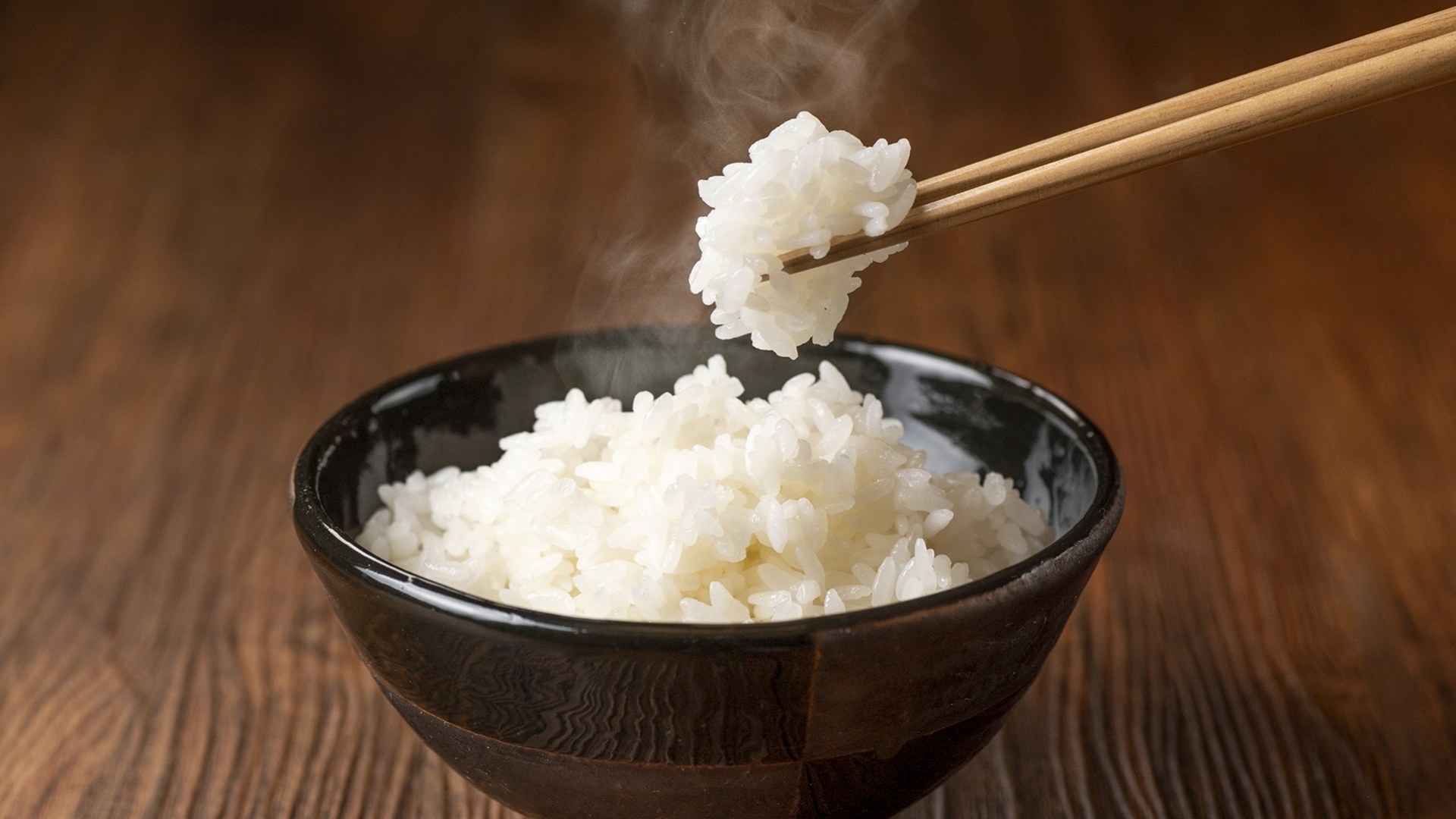
The first time you eat in Japan, someone will probably stop you mid-meal — quietly, almost apologetically — to correct the way you’re holding your chopsticks. Then it happens again with how you set them down. Then with how you reach for the shared dish. Each correction sounds small. Each one feels arbitrary in the moment. Why does it matter whether the chopsticks are pointing here instead of there?
The answer, for about half the rules, is that they have nothing to do with the meal. They have to do with funerals.
Once you know that, the system stops looking like a list of arbitrary preferences and starts looking like what it is: a careful set of distinctions between everyday eating and the rituals of death. Everything else — the angles, the resting positions, the no-stabbing rule — falls into place around that central separation.
The two rules nobody bends
Most chopstick rules in Japan have small infractions and forgivable accidents. Two do not. They are the ones that map onto specific funeral practices — and using them at the table is the visual equivalent of saying this dinner reminds me of a cremation.
Tate-bashi (立て箸) — chopsticks upright in rice
At a Japanese funeral, a small bowl of rice is placed before the deceased’s portrait, with the chopsticks driven straight down into the rice. It is the meal the dead person no longer needs. The verticality is the key visual: nothing else in everyday Japanese eating ever stands chopsticks straight up.
Sticking your chopsticks into your rice while you take a sip of tea is, technically, just a convenient resting posture. Practically, it summons the funeral image instantly. Older Japanese diners will visibly flinch. Younger ones will know it’s wrong without quite remembering why.
Always set chopsticks across the bowl rim, on the chopstick rest (hashioki), or flat on the table next to your dish. Anything but vertical.
Hashi-watashi / Utsushi-bashi — passing food chopstick to chopstick
After cremation, family members use long ceremonial chopsticks to lift bones from the ashes and pass them, chopstick to chopstick, into the urn. It is the most distinctive and intimate gesture of the Japanese funeral.
So when you reach across the table and try to hand someone a piece of fish chopstick to chopstick — the well-meaning here, try this — you are reproducing the bone-passing ritual. The fix is procedural: place the food on a small plate, then hand the plate. Or set the food on the receiving person’s plate directly. Never hand chopstick to chopstick.
This is the rule most likely to cause real social discomfort if broken, especially with older guests at the table.
The everyday rules
The rest of the rules don’t carry funeral weight. They live more in the register of “the way one sets a table” — small markers of attentiveness, easily forgiven from a foreigner, but worth knowing because they shape how the meal feels.
Sashi-bashi (差し箸) — pointing with chopsticks
Don’t gesture across the table with chopsticks while you talk. The rule reads as “don’t point at people,” but it’s bigger: chopsticks are for food, not for conversation. Using them as a baton is a small category violation. Set them down to talk.
Mayoi-bashi (迷い箸) — wandering chopsticks
Hovering chopsticks over the dishes while you decide what to eat next. The polite version of the rule is “decide before you reach.” The deeper version is that the chopsticks are reaching toward food, not stalling above it. They should land where you have committed to.
Saguri-bashi (探り箸) — exploring with chopsticks
Stirring or rummaging through a dish to find the bit you want. Considered greedy and unhygienic in equal measure, especially with shared plates. Take what’s at the surface; if you want a specific piece, make peace with picking the one closest to you.
Tsuki-bashi (突き箸) — stabbing food
Spearing a slippery piece of food because it won’t pinch. Treated like cutting a steak with a fish knife — there’s a tool for the job, and you’ve decided to use force instead. Wait, find a different angle, or accept that the piece will fall once before you get it right.
Neburi-bashi (ねぶり箸) — licking chopsticks
Putting chopsticks in your mouth to clean off sauce or rice. Reads as childish. The fix is small: chew off any clinging food, or wipe the tips on a napkin out of sight.
Watashi-bashi (渡し箸) — bridging the bowl
Placing chopsticks across the top of the rice bowl as a “I’m finished” signal. Once standard, now considered slightly informal in formal settings — like leaving a fork crossed on a plate without using the rest. If a hashioki is provided, use it instead.
The chopstick rest, and why it matters
The hashioki — usually a small ceramic block, a folded paper triangle, or the disposable wrapper of a waribashi — is the answer to most resting questions. Use it whenever it exists.
If there’s no rest, the conventional improvisation is to fold the paper sleeve of disposable chopsticks into a small triangle, set it at the top-right of your tray, and rest the tips on it. This is the move that signals I’m not in a hurry, and I’ve thought about how to handle the moment between bites — a small piece of attentive table-craft. Lay chopsticks flat on the table directly only as a last resort; it’s not wrong, but it feels slightly off, like setting a fork on the linen.
Sharing food: the back-end trick
You will inevitably want to share food at a Japanese table. The chopstick-to-chopstick rule is the strict one (don’t), but the gentler choreography is also worth knowing.
The polite move when handing someone food is toribashi — a separate set of chopsticks, often provided alongside shared plates at izakaya or family-style restaurants. If toribashi aren’t on the table, the standard improvisation is to flip your own chopsticks and use the unused back ends to lift the food. The receiving person doesn’t lift their plate up to your chopsticks; the plate stays on the table, the food lands, both sets of chopsticks return to their proper register.
What’s forgiven
The Japanese eating public is broadly tolerant of foreigners who try. Holding chopsticks awkwardly, dropping rice, struggling with slippery noodles — these are all forgiven instantly, often with quiet pleasure that someone is making the effort.
What isn’t forgiven, and what no one will tell you to your face, are the funeral-shaped errors. These produce a small wince that the whole table catches, even if no one says anything.
If you remember nothing else: don’t stand chopsticks in rice, don’t pass chopstick to chopstick. Everything else is style.
The principle underneath
What makes Japanese chopstick etiquette feel coherent, once you’ve absorbed it, is that it treats the chopstick as an extension of the body — and treats the body as something that has registers. The same body that lifts a piece of fish at dinner also lifts bones at a cremation. The chopsticks know which register they’re in. The rules are the markers that keep the registers from bleeding into each other.
That sounds heavy for a meal. In practice, it isn’t. Most Japanese diners don’t think about funerals while they eat. They’ve internalized the geometry — what an upright chopstick looks like, what a passed-in-air chopstick reminds you of — so deeply that they don’t have to. You don’t have to either. You just have to know enough to keep dinner from accidentally becoming a funeral.