Short essays on the small, unwritten codes of Japanese daily life — the words, gestures, and quiet protocols that hide in plain sight.
Latest
127 NOTES
Start here
Konbini — the convenience store as cultural infrastructure
It’s 3 a.m. in a small town in rural Japan. The streets are empty. The single train line stopped running at midnight. Almost everything is closed — except, on the corner near the station, the convenience…

Tatami — the floor that measures the room
A real estate listing in Tokyo describes a Japanese apartment as having a “6-jou” living room. There are no tatami mats actually shown in the photographs — the floor is laminate. Yet the size is given…
Hikikomori — the social withdrawal Japan has a name for
A 35-year-old man lives in his parents’ house in suburban Tokyo. He has not left his bedroom for more than half an hour at a time in three years. His meals are left outside his door…
Kotatsu — the heated table that runs Japanese winter
It’s January in a Japanese living room. The temperature outside is just above freezing; the temperature inside, in unheated rooms, is barely better — Japanese houses are notoriously poorly insulated. In one room, however, four members…
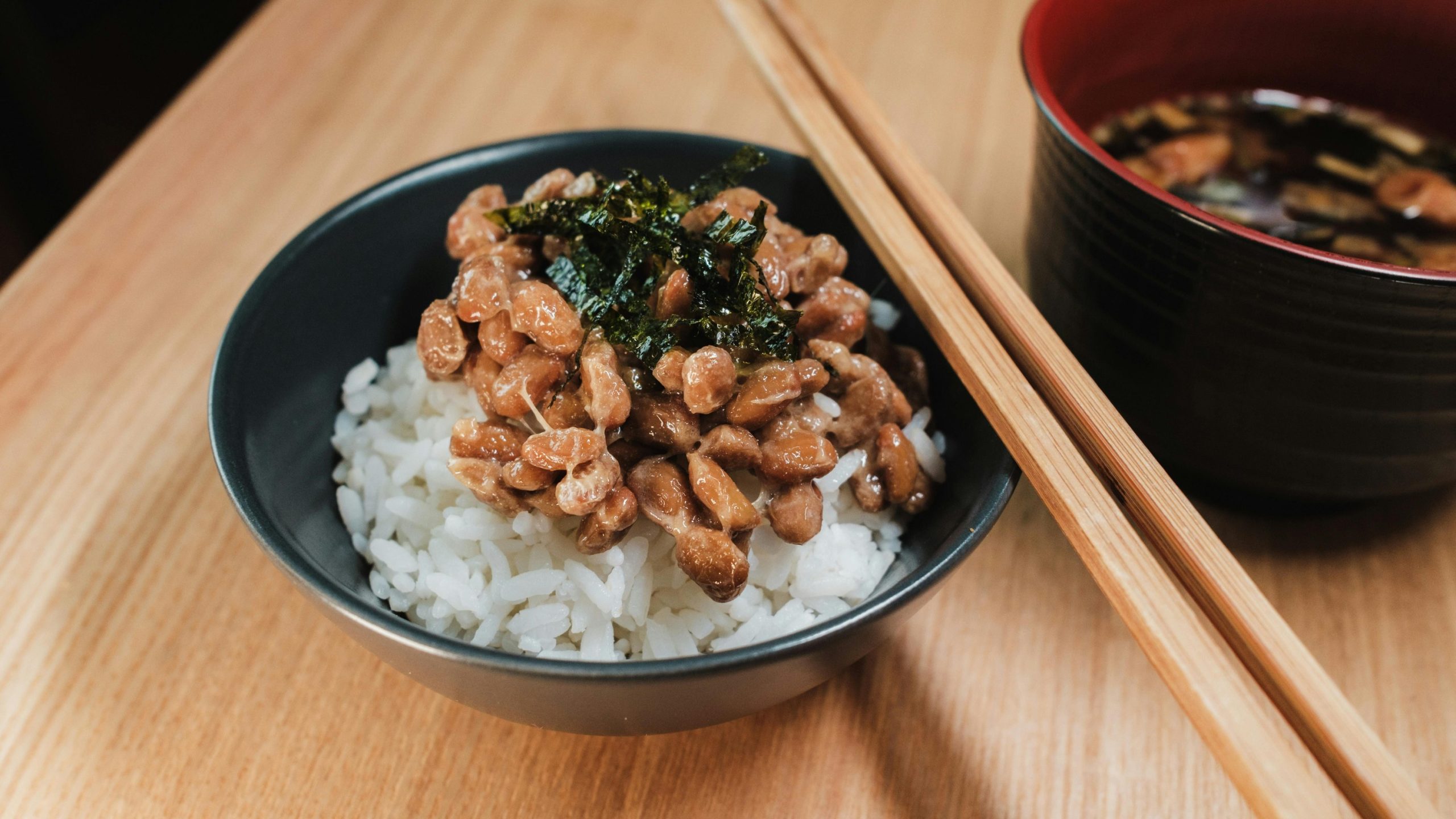
Natto — the food that asks if you’re really an insider
You’re at a traditional Japanese inn in the morning. A breakfast tray arrives. There is rice, miso soup, grilled fish, pickled vegetables, and a small ceramic cup containing a quivering brown mass laced with thick white…
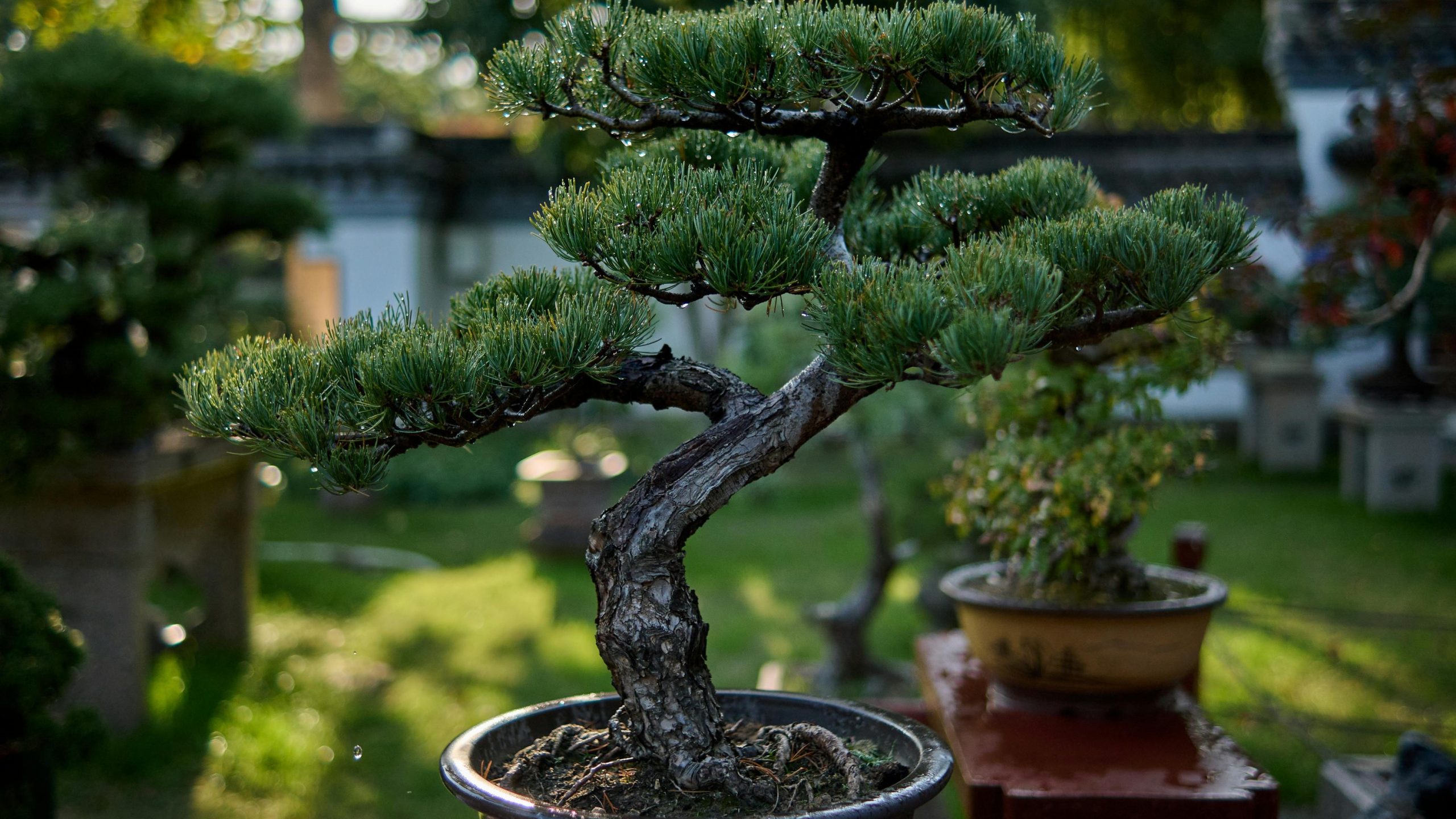
Bonsai Meaning — what 100-year tree training actually requires
A pine tree, fifty centimeters tall, in a shallow ceramic pot. The trunk is gnarled in a way pine trunks usually only get after a hundred and fifty years on a windswept ridge. The needles are…
Tadaima / Okaerinasai — the homecoming exchange
The door opens. The returning person steps into the genkan, slips off their shoes, sets down their bag. Before they’ve fully crossed into the house, they call out: “tadaima.” A voice from the kitchen, or the…
Itterasshai / Itte Kimasu — the morning ritual that says I’ll come back
A Japanese family in the morning. One person — child, partner, sibling — picks up their bag and heads for the door. They pause at the genkan, slip on their shoes, and call back into the…
Konnichiwa — why hello only works between 11 a.m. and dusk
You walk into a Japanese coffee shop at 9 in the morning, smile at the staff, and say “konnichiwa.” The reply you get is technically polite, but the staff member’s expression has a half-beat of confusion.…
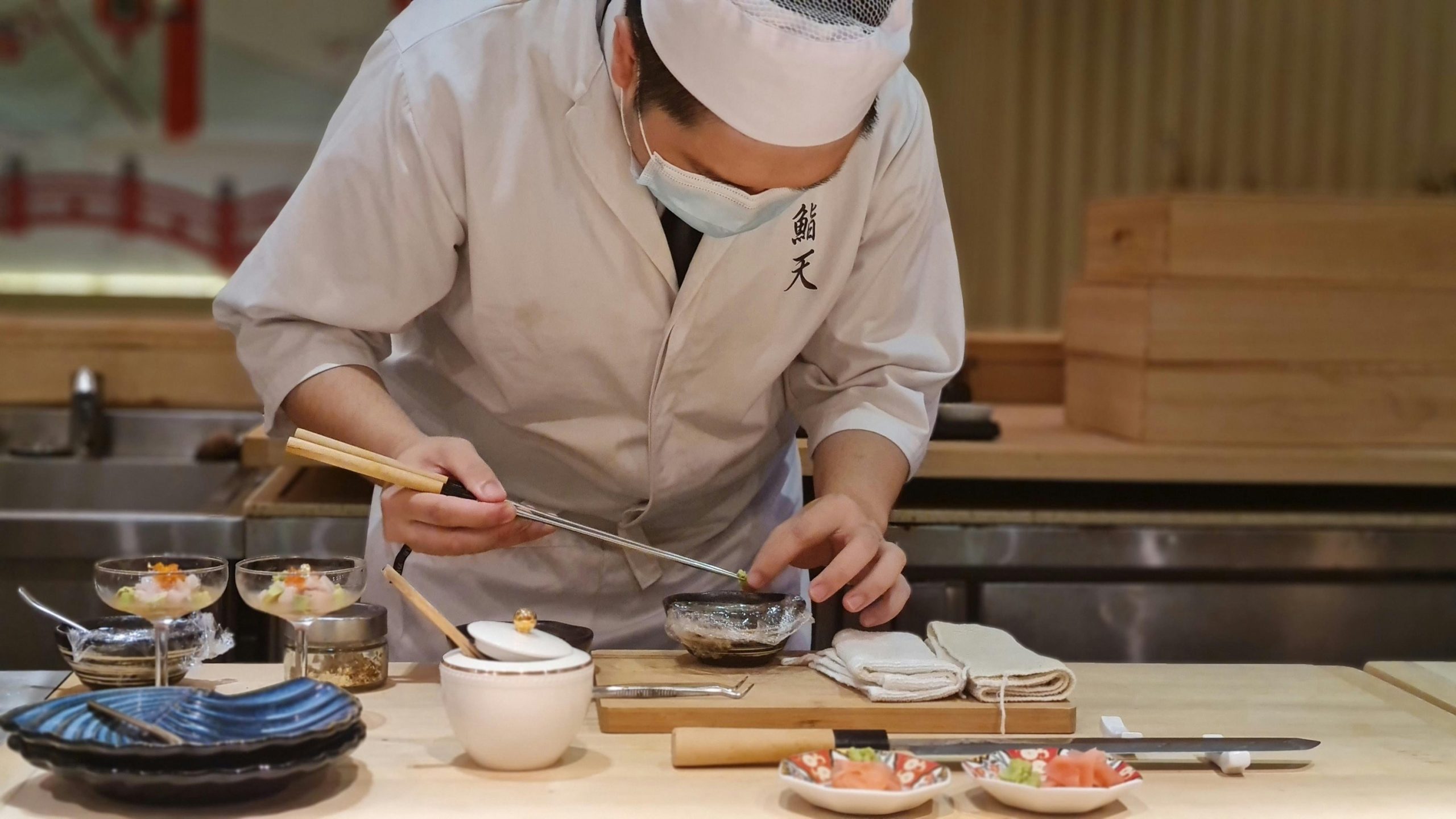
Omakase — what leave it to the chef actually contracts you to
You walk into a small sushi counter in Tokyo. There are eight seats and one chef. There is no menu. The chef glances up, asks if it’s your first time, and then begins to prepare food…