Short essays on the small, unwritten codes of Japanese daily life — the words, gestures, and quiet protocols that hide in plain sight.
Latest
127 NOTES
Start here
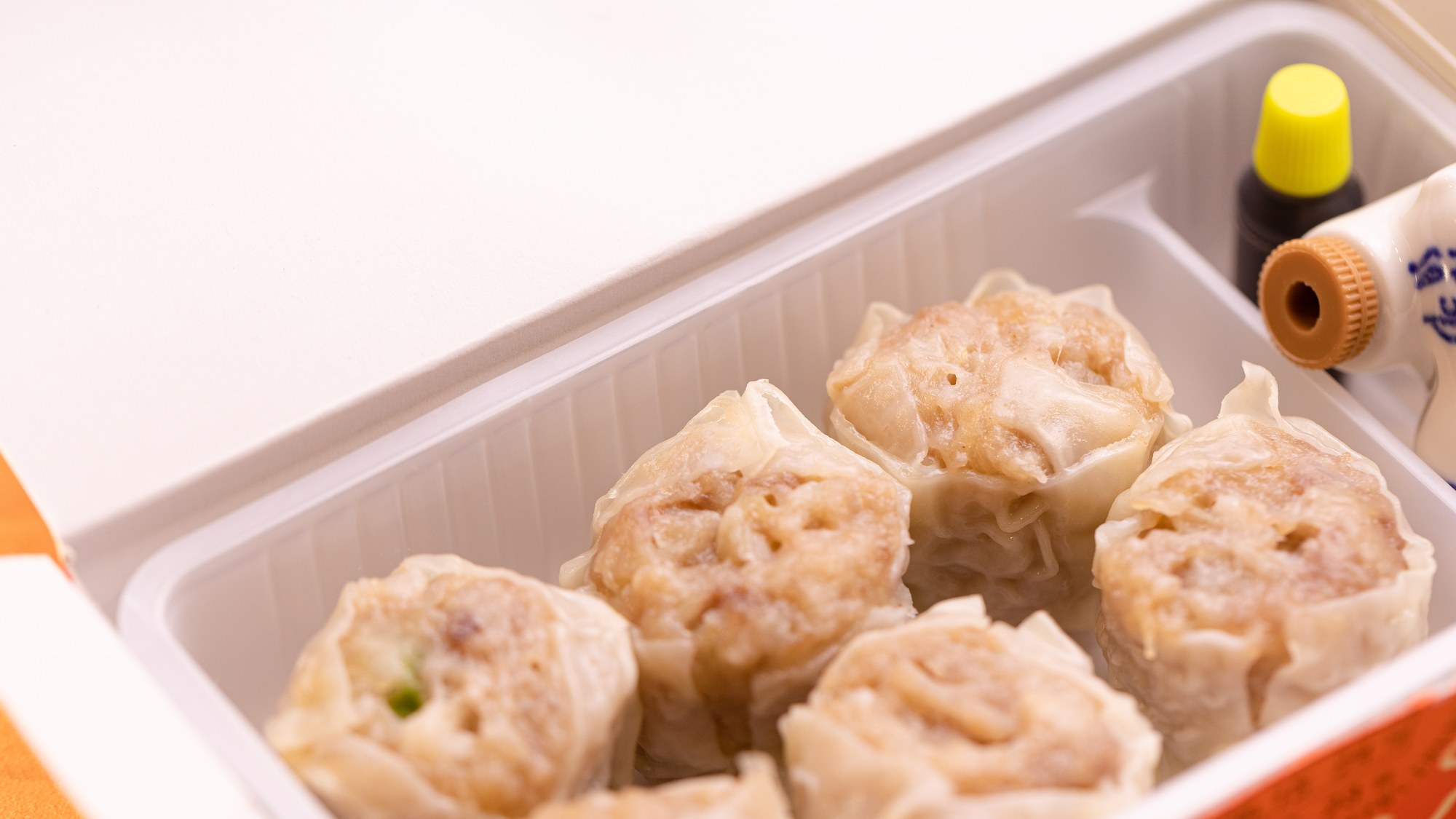
Ekiben — the train station bento that’s tied to where the train stops
You’re at Tokyo Station at 7:45 a.m., heading north to Sendai on the shinkansen. The train leaves in fifteen minutes. Inside the station’s concourse, you stop at a small shop crowded with travelers buying small wrapped…

Kyaraben — the character bento as parental love language
A Japanese mother opens her four-year-old daughter’s bento box at the kitchen counter, late at night, preparing tomorrow’s lunch. Inside, she will arrange: rice shaped into a panda’s head, eyes made from two halves of a…
Geisha vs Maiko — the apprenticeship system Kyoto preserves
Walking through Kyoto’s Gion district in the early evening, you see two women hurrying down a narrow alley toward an appointment. Both wear elaborate kimono, hair styled with ornaments, white-painted faces and red lips, traditional wooden…
Karesansui — what the Japanese dry rock garden was actually built to do
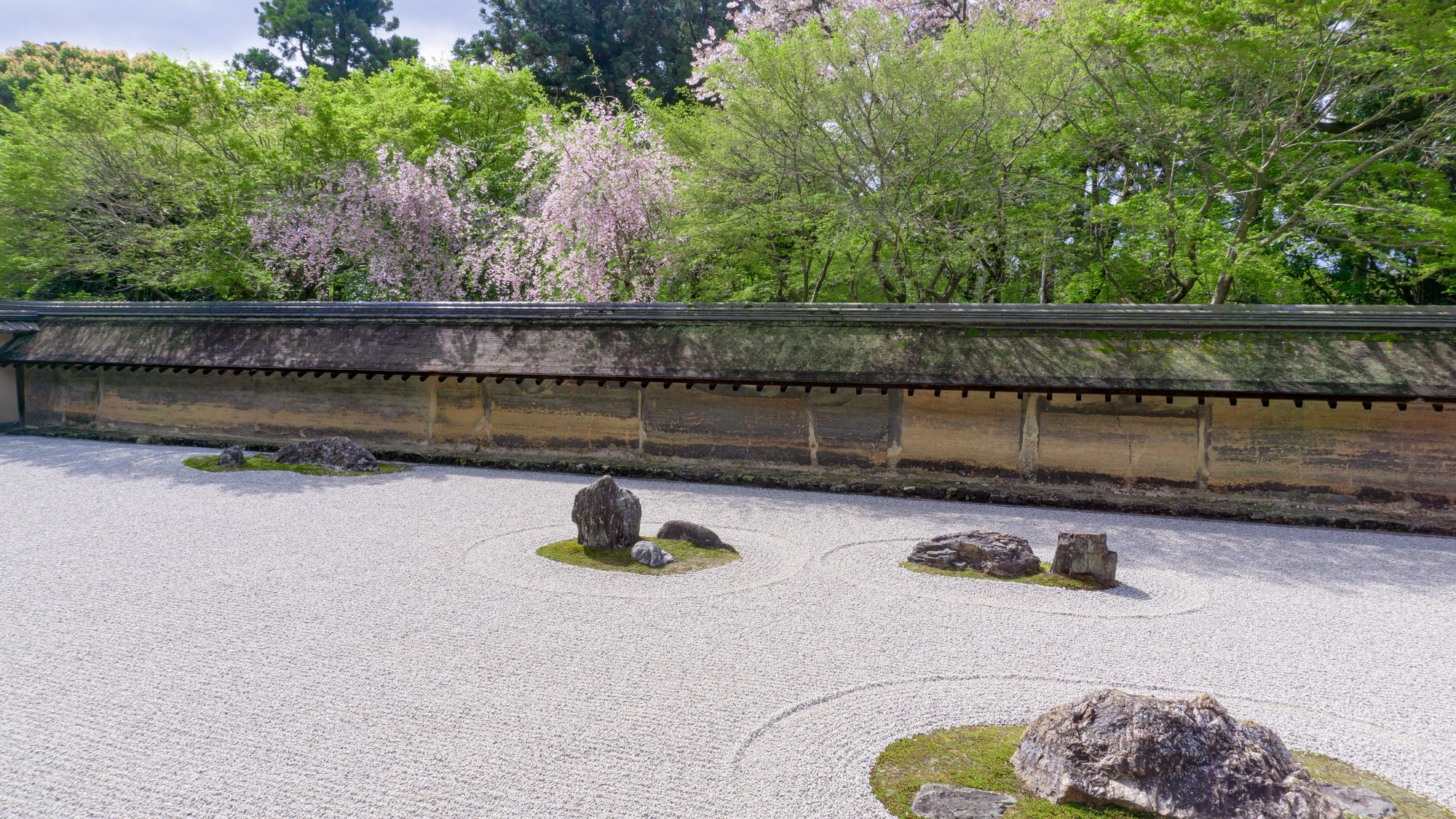
You walk through the entry of Ryoan-ji temple in northwest Kyoto. The walkway leads to a simple wooden veranda overlooking a rectangular space. Inside that space: white gravel, raked into careful parallel lines, with fifteen stones…
Kabuki Makeup — the kumadori code that paints character
The actor enters the stage. His face is painted white, with bold red lines radiating from his eyes and curving down his cheeks. The audience, watching from the dim auditorium, immediately knows several things about the…
Mochitsuki — the year-end ritual that pounds rice into the food of the new year
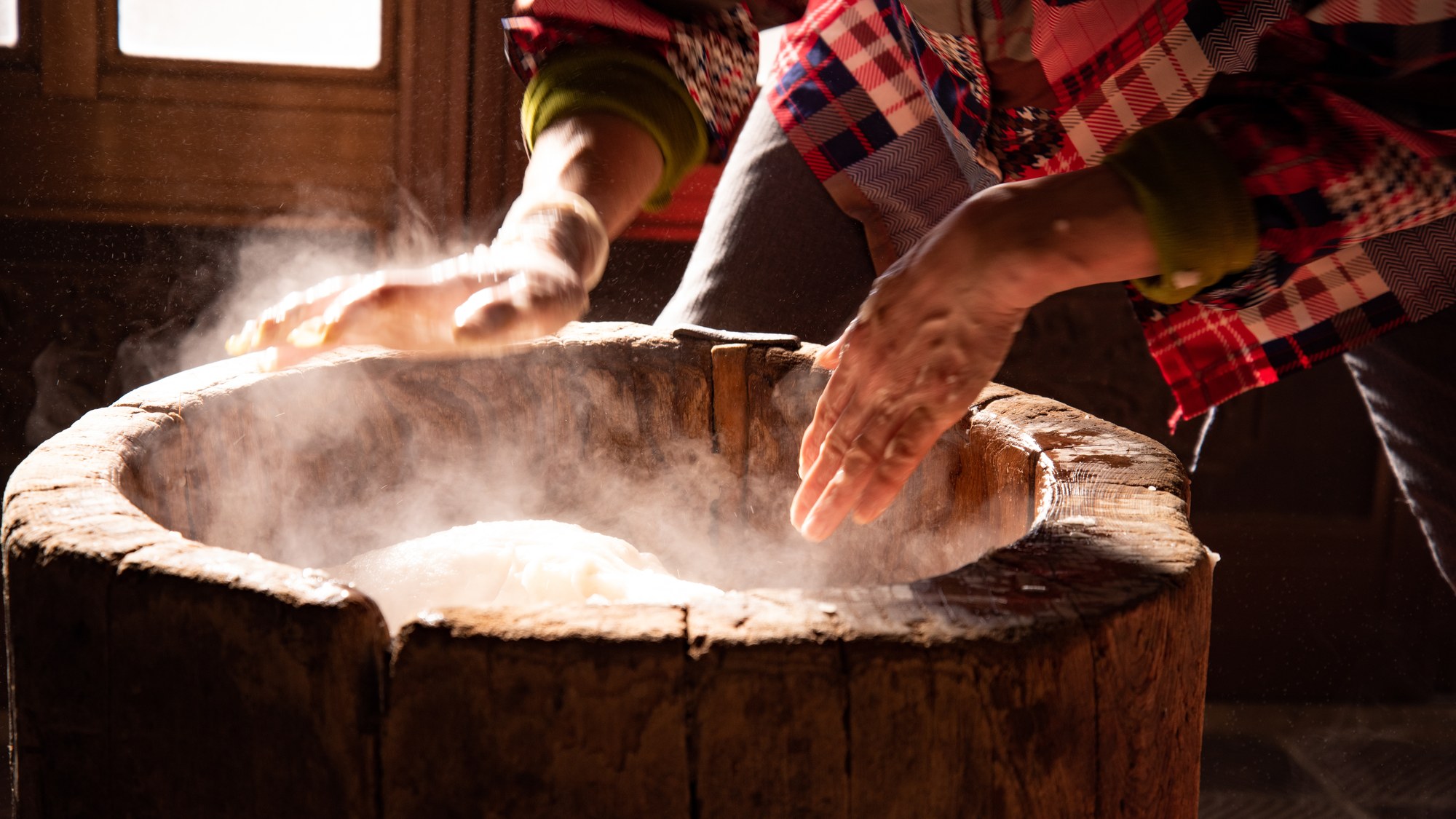
It’s late December in a small Japanese town. In the courtyard of a community center, a wooden mortar — about the size of a cement-mixer — sits in the open air. A pile of steamed glutinous…
Shikibuton — the Japanese floor mattress vs western futon
You walk into a Japanese friend’s small apartment in the morning. The room you slept in last night looks completely different from the room you saw before bed. Last night, there was a mattress on the…
Gaman — the discipline of patient endurance without complaint
A Japanese woman in her seventies has been suffering increasing back pain for months, but she hasn’t told her family. She doesn’t want to worry them; the pain is bearable; complaining seems pointless. When her daughter…
Shoganai — it cannot be helped, and what Japan means by it
A typhoon has shut down the train system. A Japanese commuter, stranded at a major station with thousands of others, looks at the cancellation board, takes out their phone to text family they’ll be late, and…
Tsundoku — the Japanese word for buying books you don’t read
You walk into the apartment of a Japanese friend who reads a lot. Beside the bed, a stack of books — twelve of them, leaning slightly. On the desk, another stack — fifteen, with bookmarks in…