Short essays on the small, unwritten codes of Japanese daily life — the words, gestures, and quiet protocols that hide in plain sight.
Latest
127 NOTES
Start here
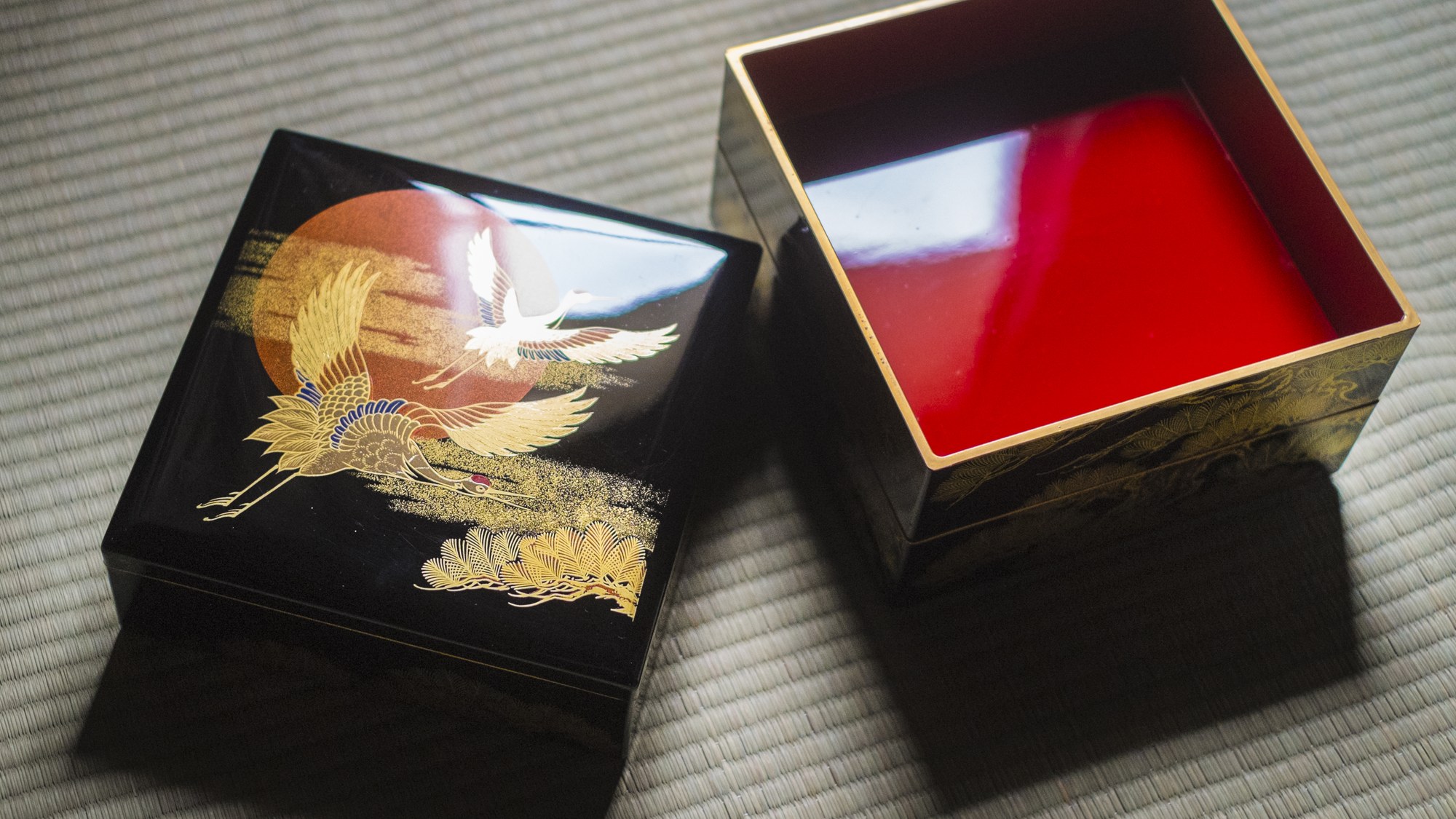
Urushi — the lacquer that turns wood into something nearly indestructible
A small bowl sits on a table. It is dark — almost black — with a deep, glossy surface that catches light the way still water does. The interior shows hints of red beneath the black.…

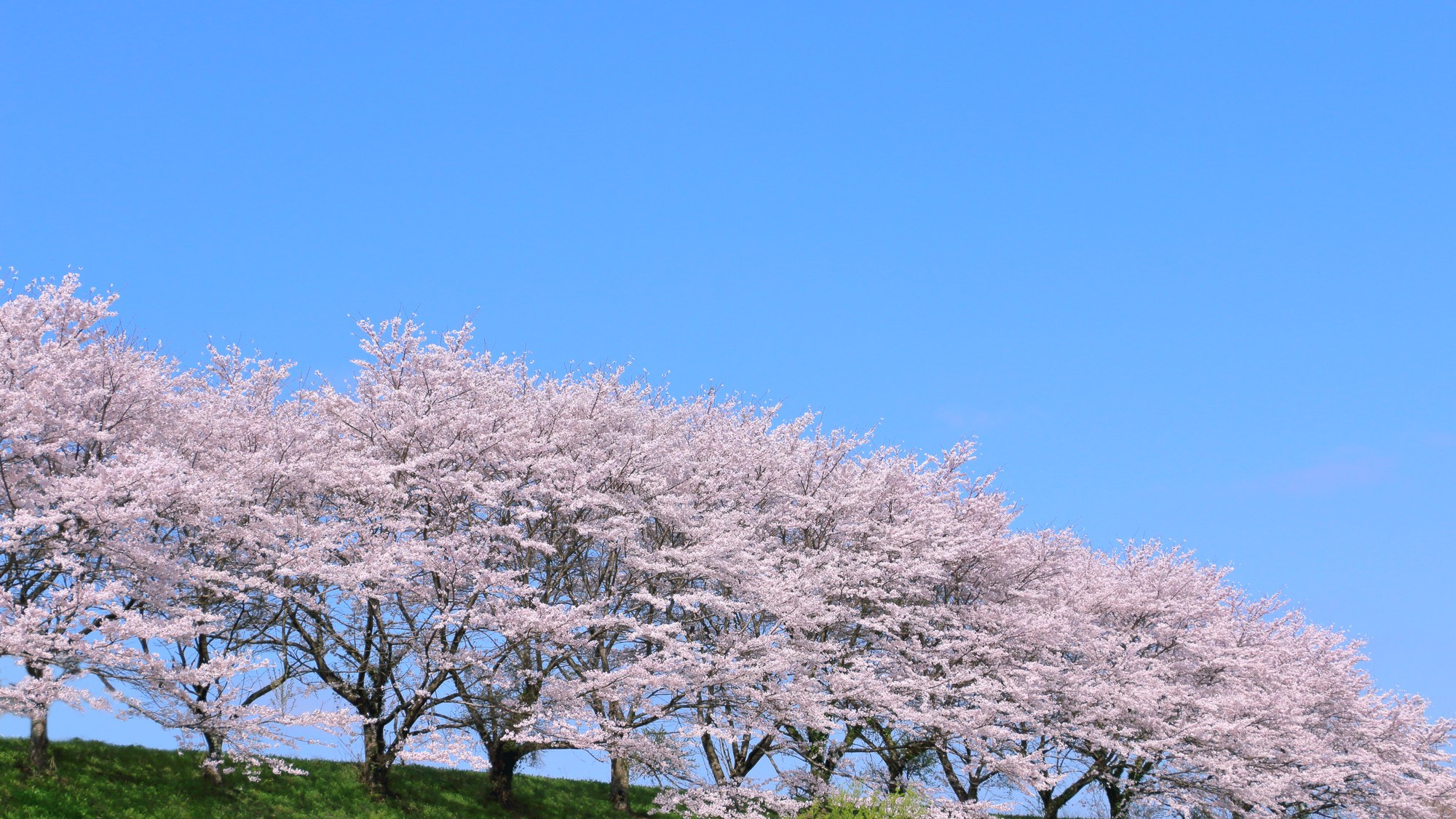
Hanami — the picnic that organizes a culture’s spring
For about ten days each spring, large parts of Japan reorganize themselves around looking at trees. Office workers send the most junior employee to a park at dawn to spread a blue tarp and hold a…
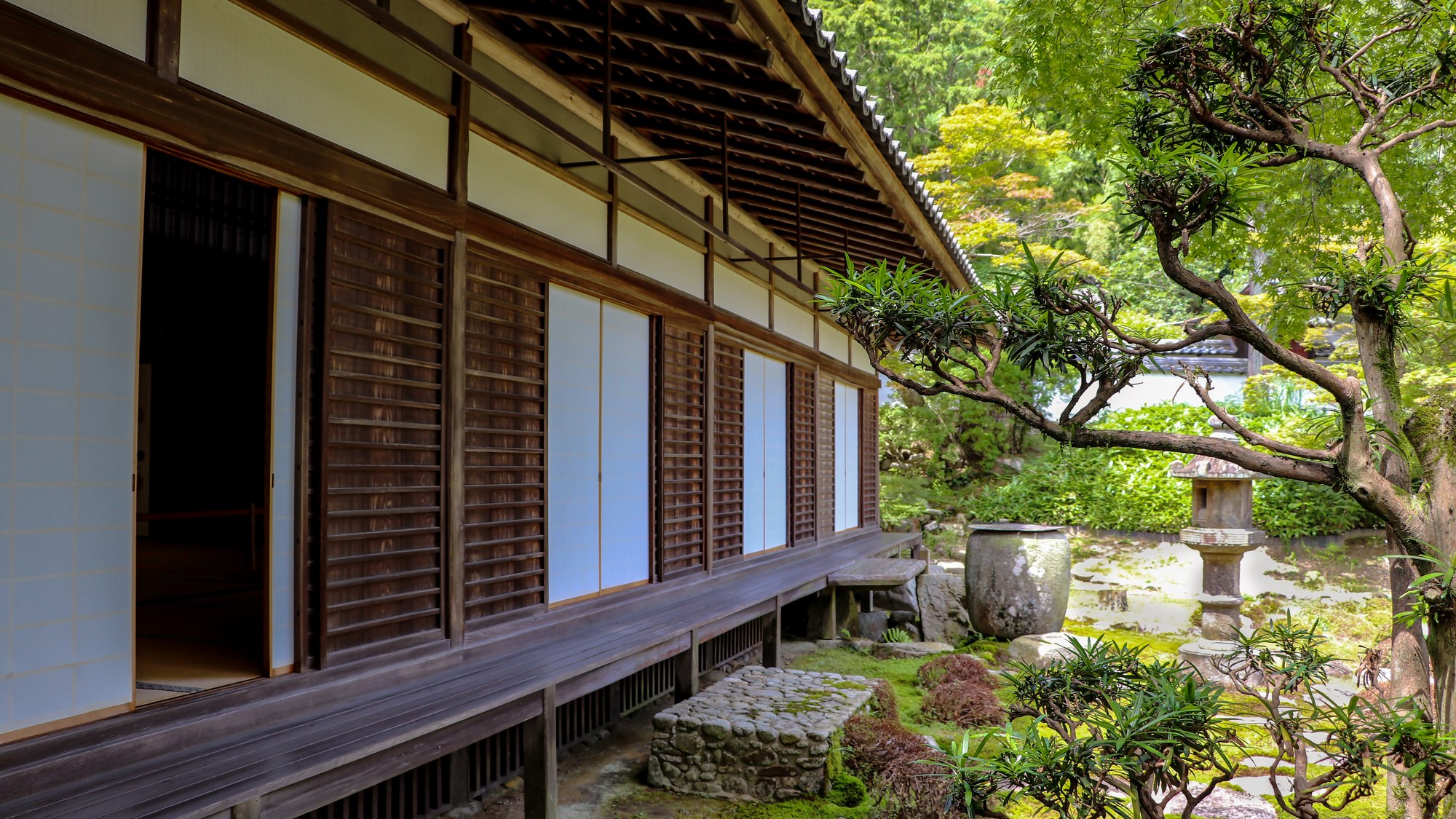
Engawa — the wooden veranda that is neither inside nor outside
On a summer afternoon in an older Japanese house, the most comfortable place to sit is often a narrow wooden ledge running along the exterior wall, under the deep overhang of the roof, with one’s legs…
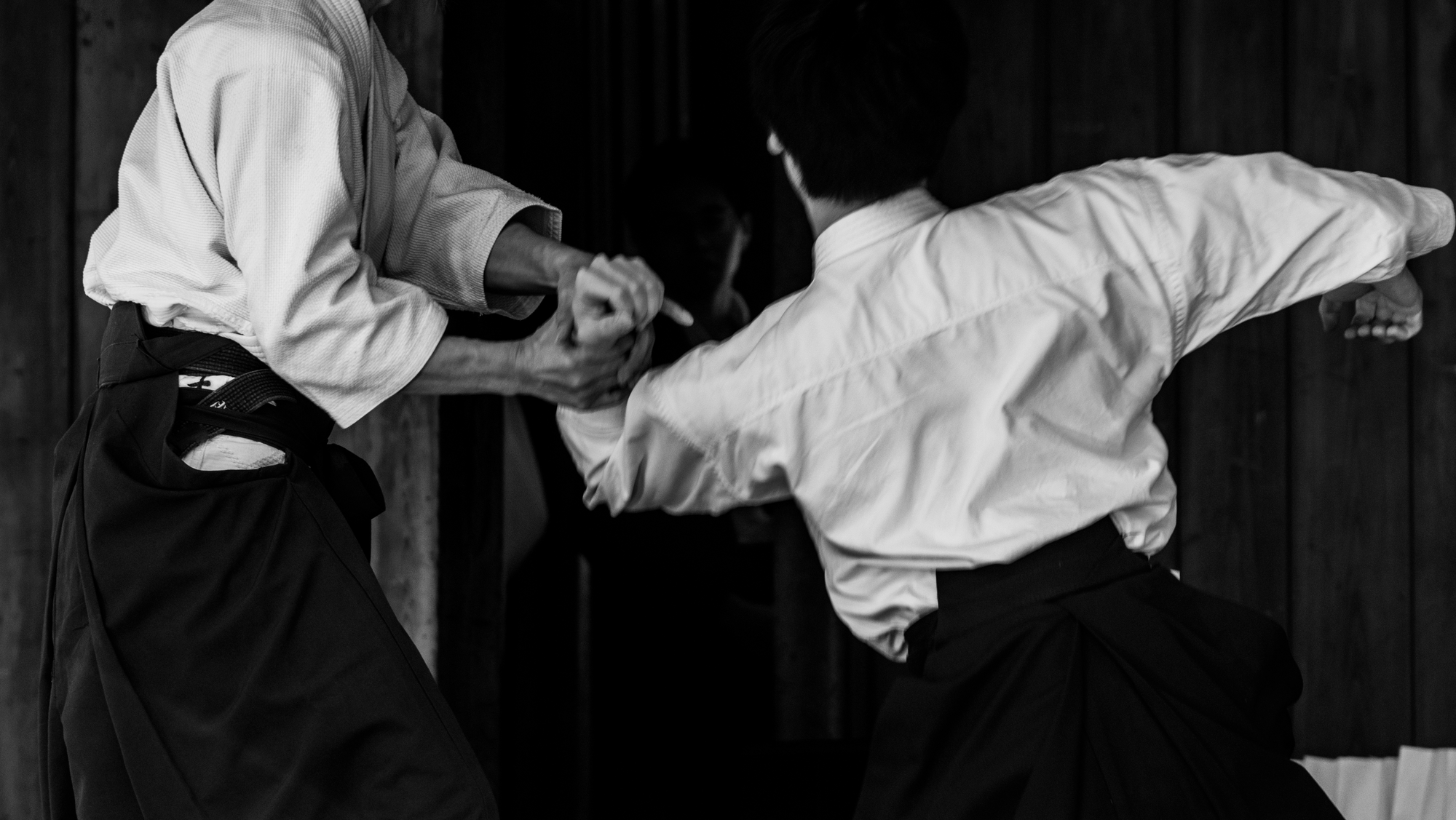
Aikido — the martial art built around redirection rather than confrontation
In a dojo in suburban Tokyo, two practitioners face each other on a tatami floor. One steps forward and reaches to grip the other’s wrist. Before contact is fully made, the receiver has shifted slightly off-line,…

Torii — the gate that marks where the sacred begins
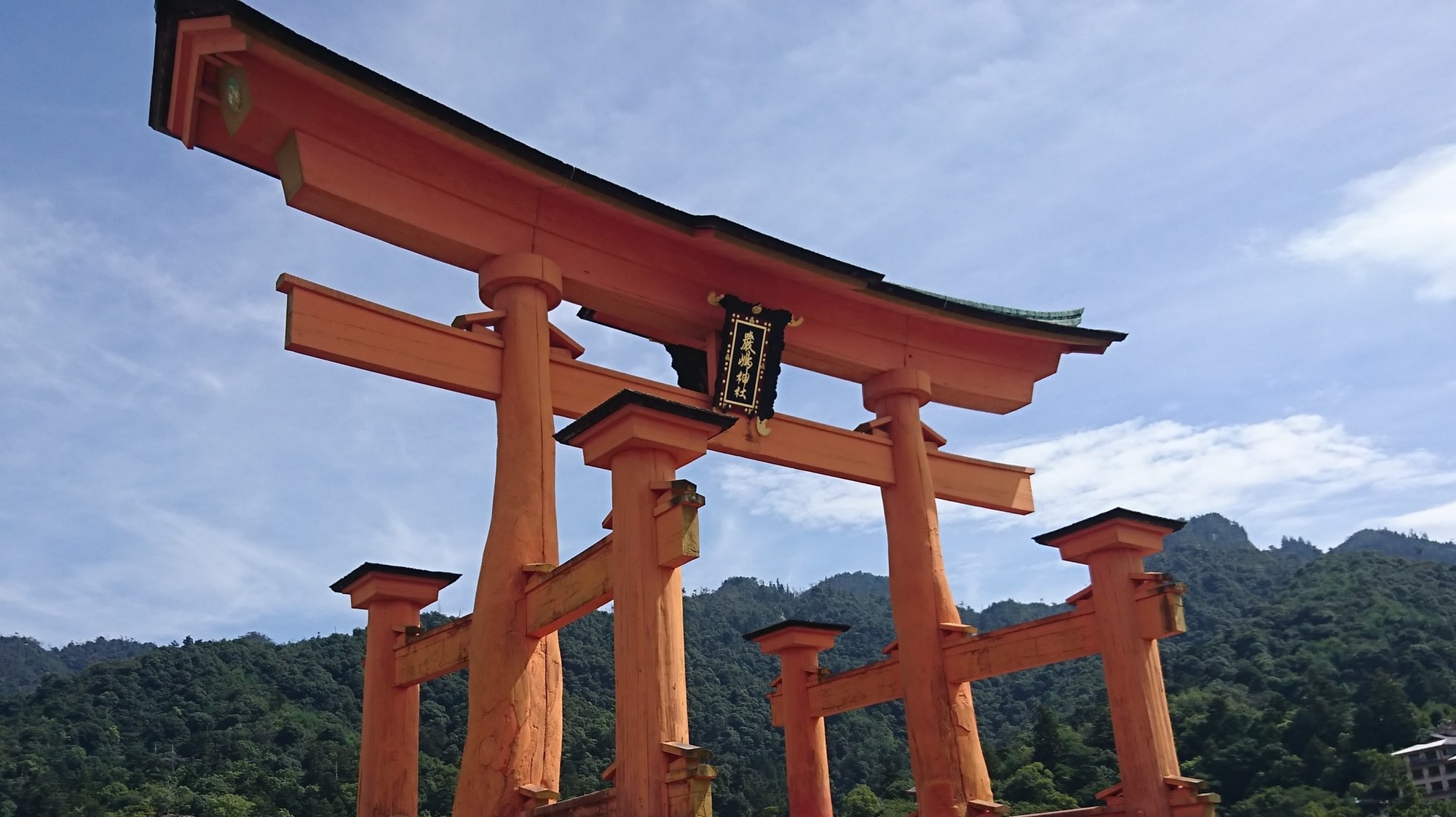
There is a photograph taken at Fushimi Inari Shrine in southern Kyoto that has been shared so many times it has become almost a cliché: a tunnel of vermilion torii gates, each one touching the next,…

Shakuhachi — the bamboo flute that monks played as their meditation
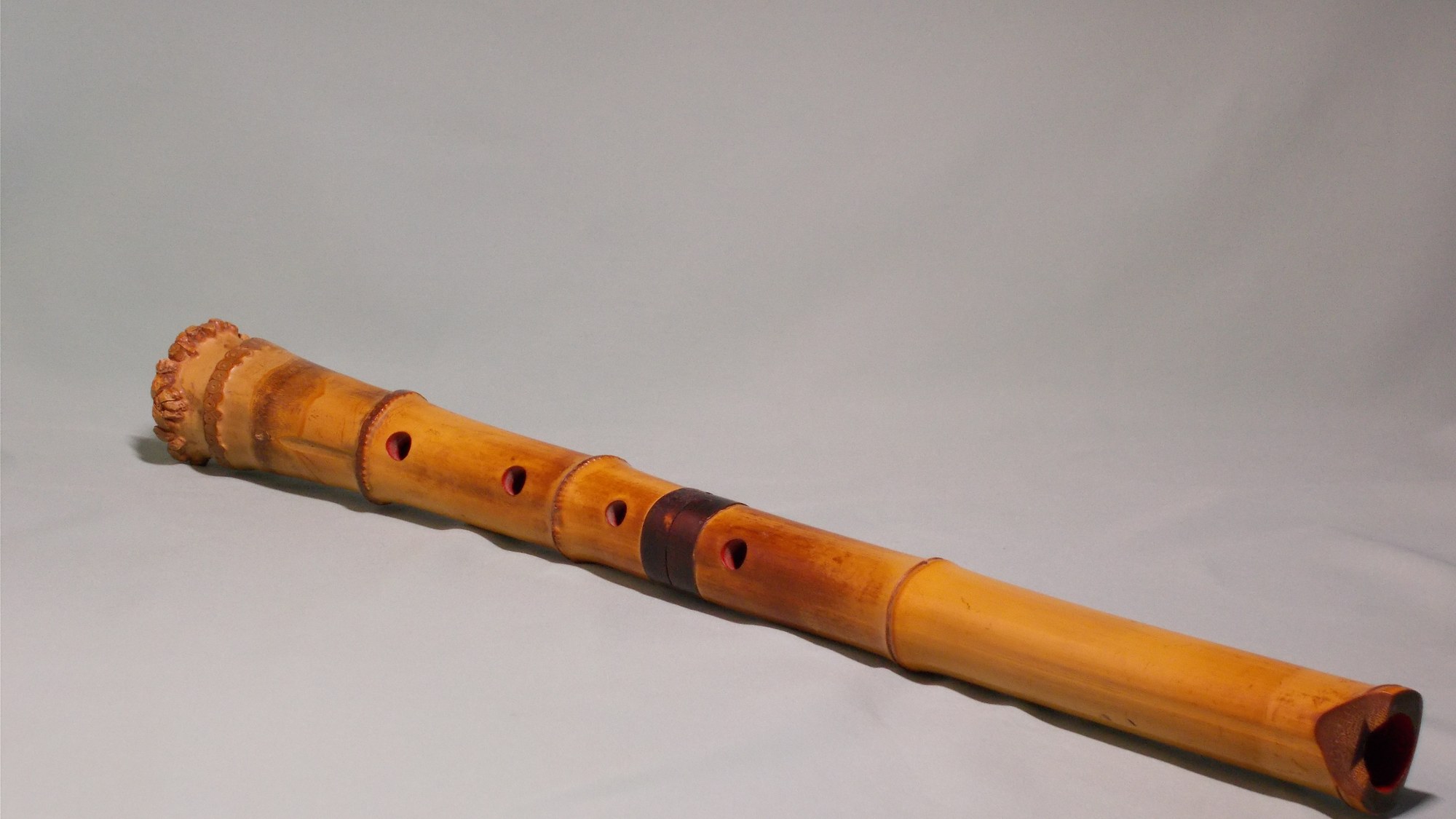
A man in dark robes sits on the wooden floor of a temple. He holds a thick bamboo tube to his lips, slightly tilted downward, and begins to blow. The first note is unstable — breathy,…
Senbazuru — the thousand paper cranes folded against impossible odds
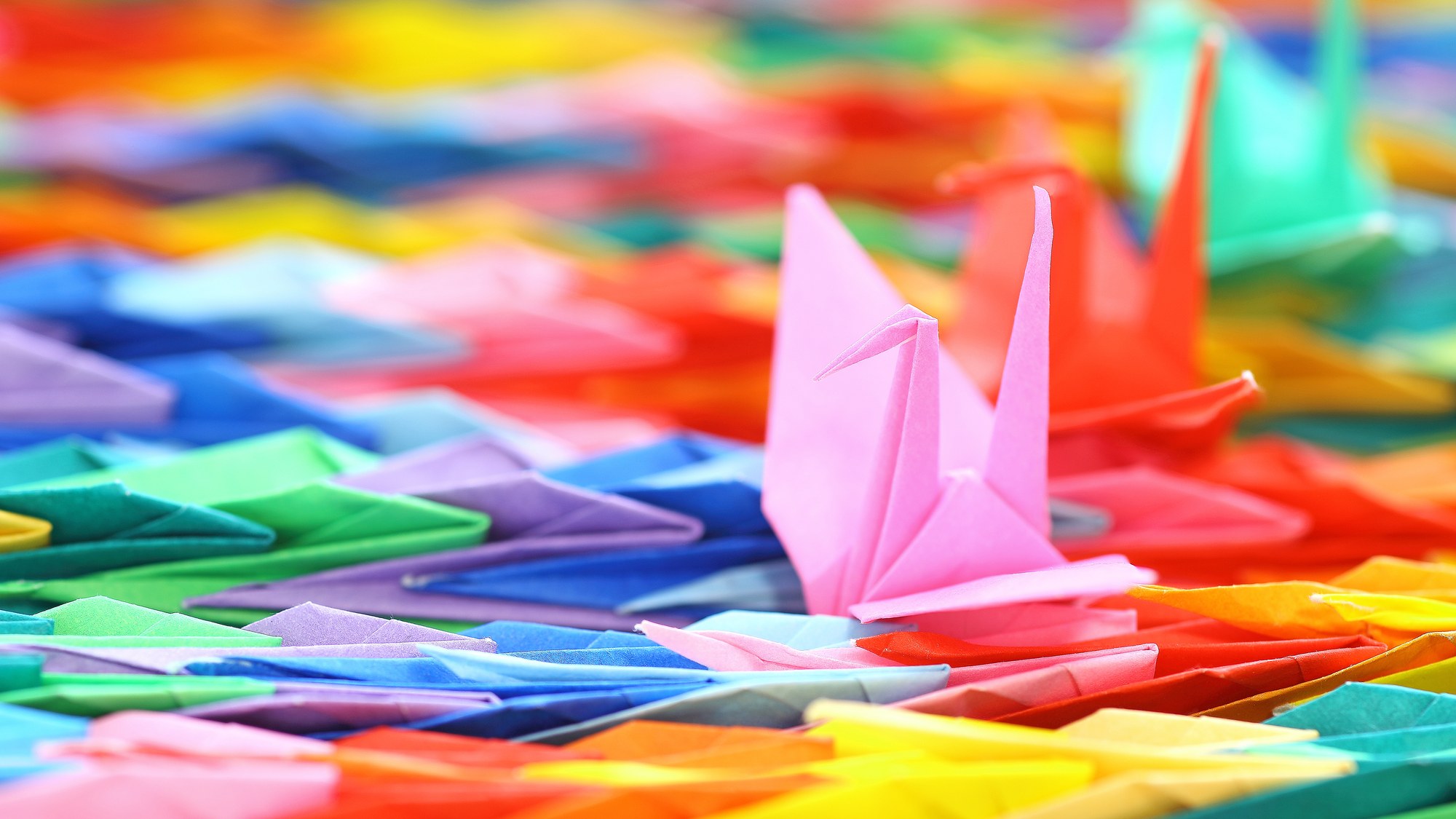
In the recovery wing of a Nagoya hospital, sometime in the mid-1990s, a woman in her sixties received a large paper bag. Inside were 1,000 paper cranes strung on threads, folded by the members of a…