Short essays on the small, unwritten codes of Japanese daily life — the words, gestures, and quiet protocols that hide in plain sight.
Latest
127 NOTES
Start here
Amae — the Japanese word for assuming you’ll be indulged
A child curls into a parent’s lap on a train, eyes closed, fully limp, knowing without thinking that the parent will adjust their own posture to absorb the weight. A junior employee turns to a senior…

Aizuchi — the Japanese listening sounds that aren’t agreement
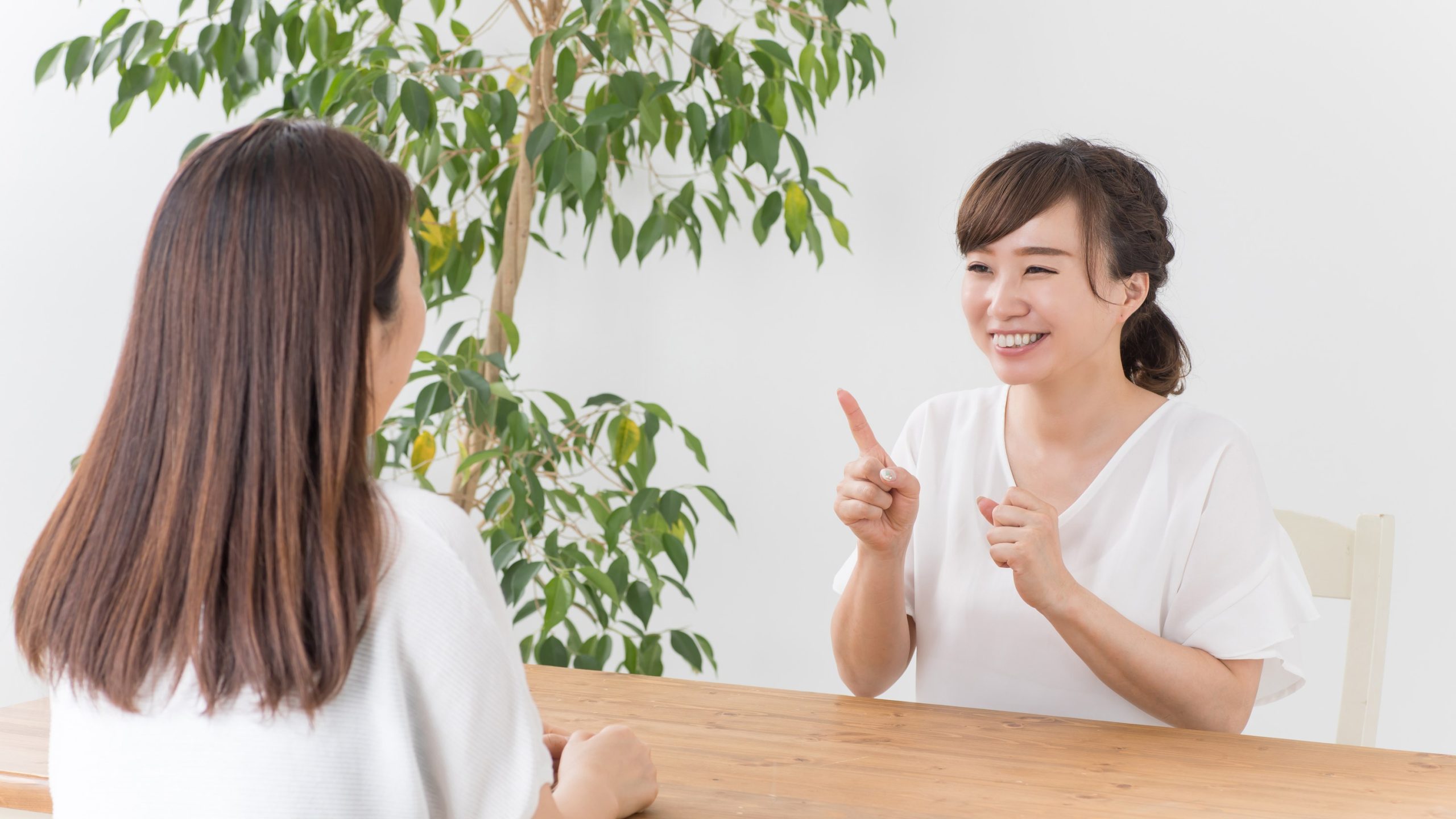
You overhear a Japanese person on the phone. Every two or three seconds, almost without pause, they’re making sounds: un, un, hai, ee, sou desu ne, hee, naruhodo, un, hai, ee. The other person is doing…
Yugen — the aesthetic that makes beautiful sound shallow
Late afternoon in a Kyoto garden. A path turns. The mountain that was framing the view a moment ago disappears behind a stand of cedars. The mist that was wrapping the mountain dissolves into the gray…
Sumimasen — 6 ways one word does the work of sorry, thanks, and excuse me
If a Japanese person and an English speaker were each given a single word to take with them onto a desert island, the English speaker would probably pick something like water. The Japanese person would do…
Omikuji — the slip of paper that tells you your year
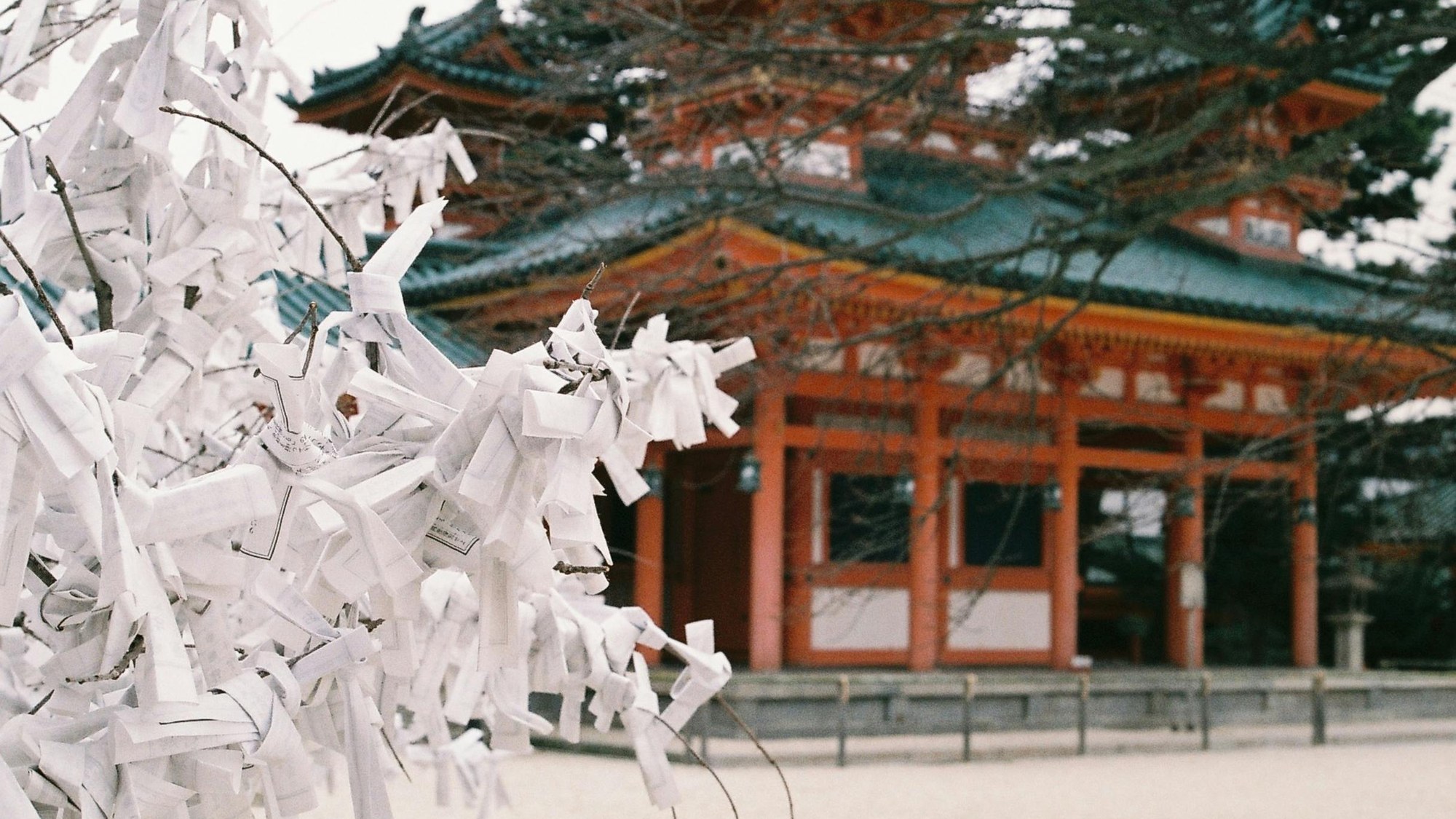
You’re at a Japanese shrine. There’s a small wooden box near the offering area with a slot in the lid. You drop a 100-yen coin into a separate box, pick up the cylinder, shake it, and…

Omamori — the small embroidered amulet for every situation
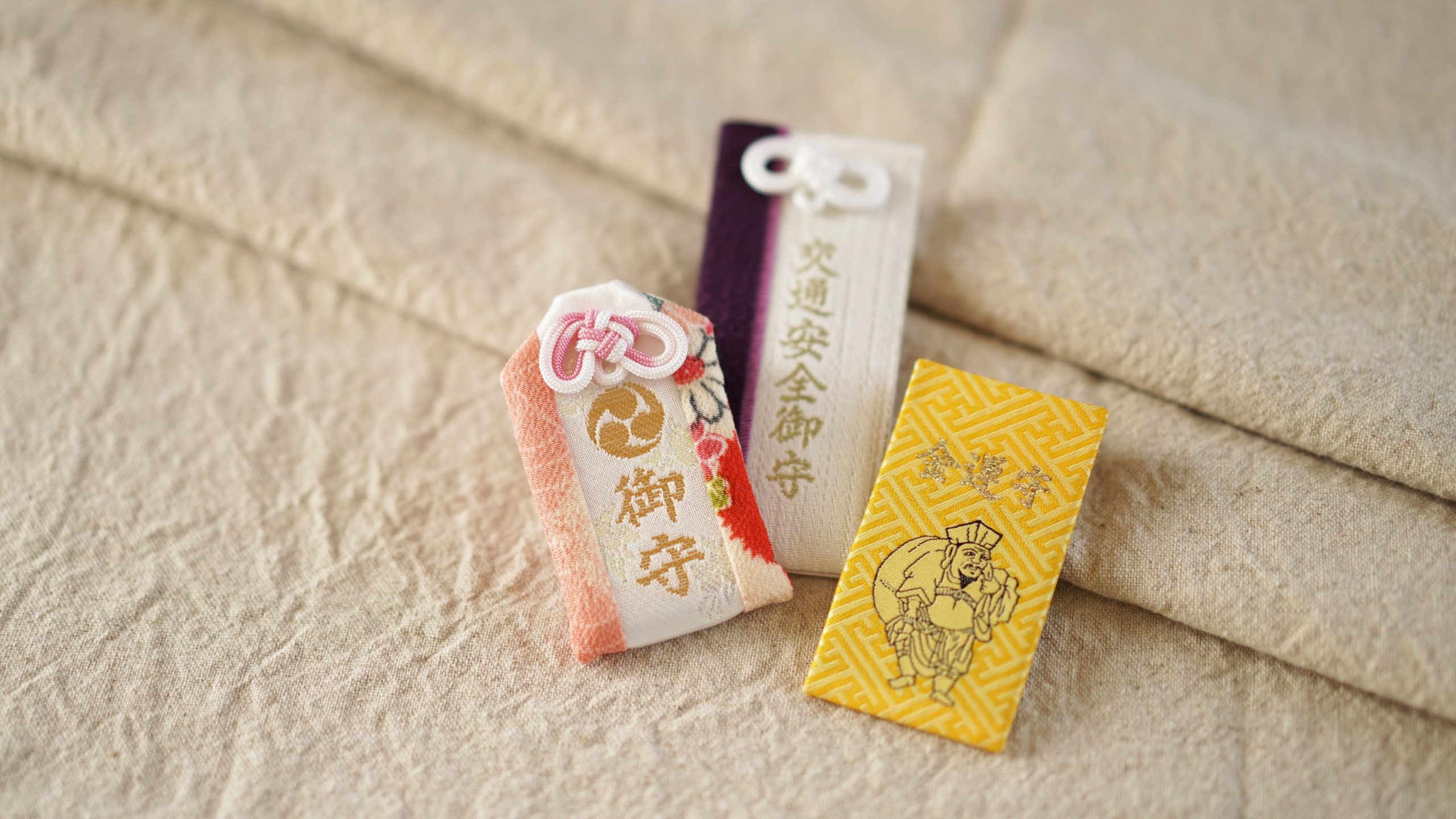
A high school student visiting Kitano Tenmangu in Kyoto buys a small embroidered pouch the size of a credit card. The fabric is silk, the embroidery is gold thread, and a tassel hangs from the top.…
Noh Theater — the masked tradition that codified Yugen
The stage is bare. A single pine tree is painted on the back wall — the only decoration. The actors enter: men in elaborate brocade robes, faces hidden behind carved wooden masks. They move slowly, almost…
Mottainai — the word that explains Japanese minimalism better than wabi sabi
If you read English-language writing about Japanese minimalism, the word that keeps coming up is wabi sabi. Cracked teacups. Faded wood. The aesthetic of imperfection. It is a beautiful concept and a useful one, and it…