Short essays on the small, unwritten codes of Japanese daily life — the words, gestures, and quiet protocols that hide in plain sight.
Latest
127 NOTES
Start here
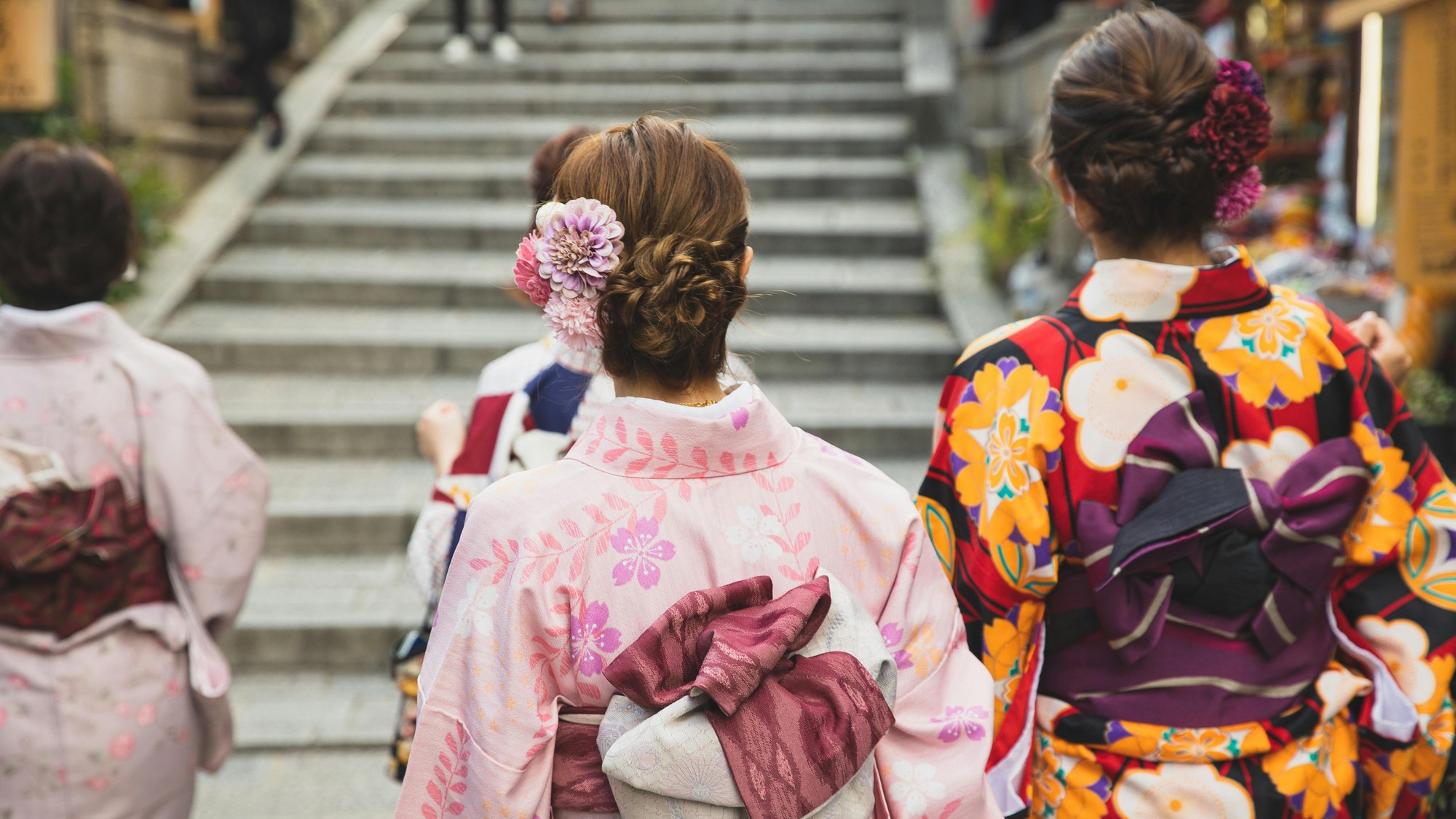
Kimono Types — a dozen garments, a coded system
You attend a Japanese wedding. Across the room, the bride’s mother is wearing a kimono — formal, dark, with elaborate embroidery only along the hem and lower body. A few seats over, an aunt of the…

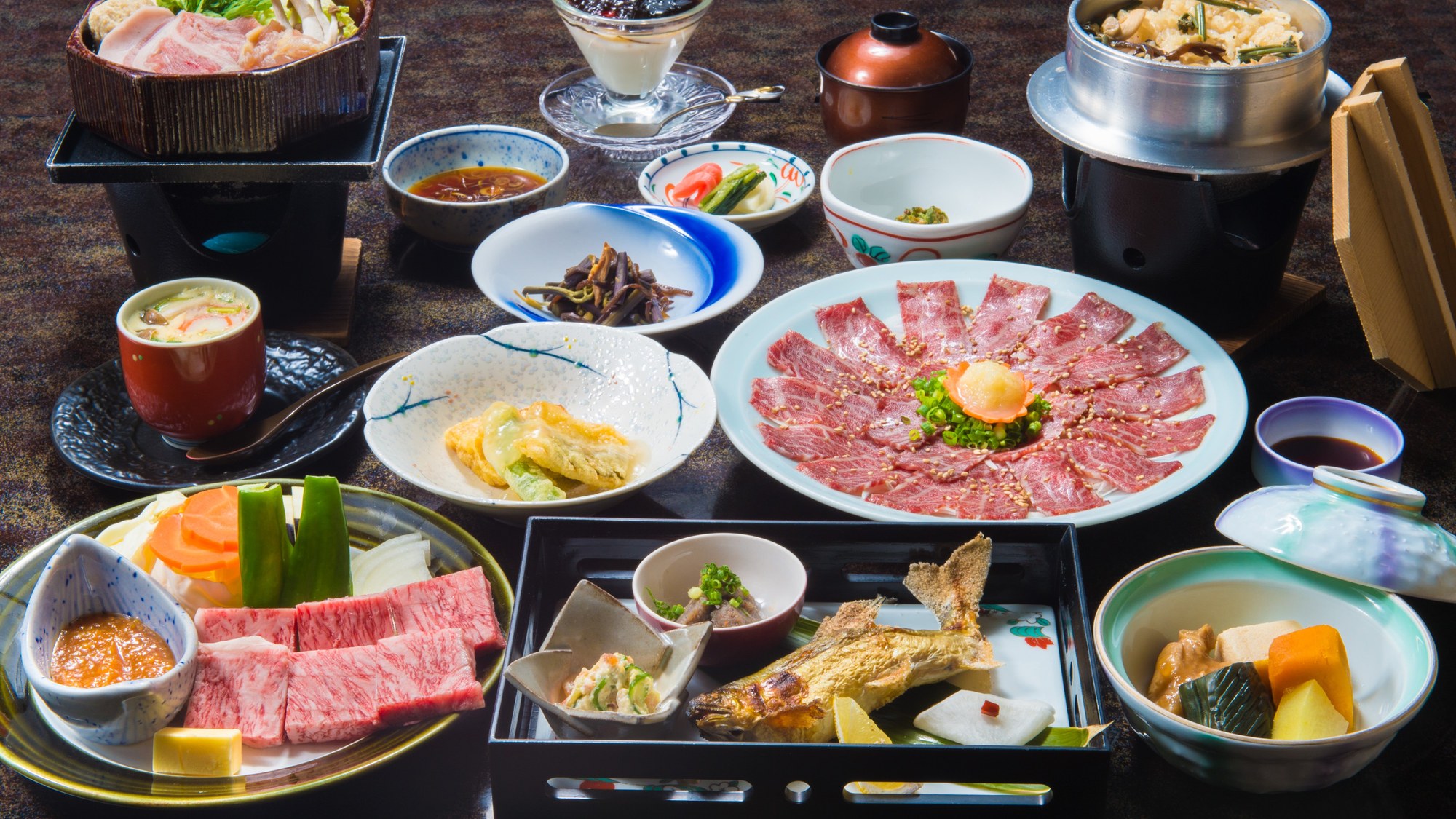
Kaiseki — the slow multi-course meal that eats more like a ceremony
You’re seated at a low wooden table in a small private room at a traditional Kyoto restaurant. The room smells faintly of cedar; a hanging scroll on the wall references the current season; a small ceramic…
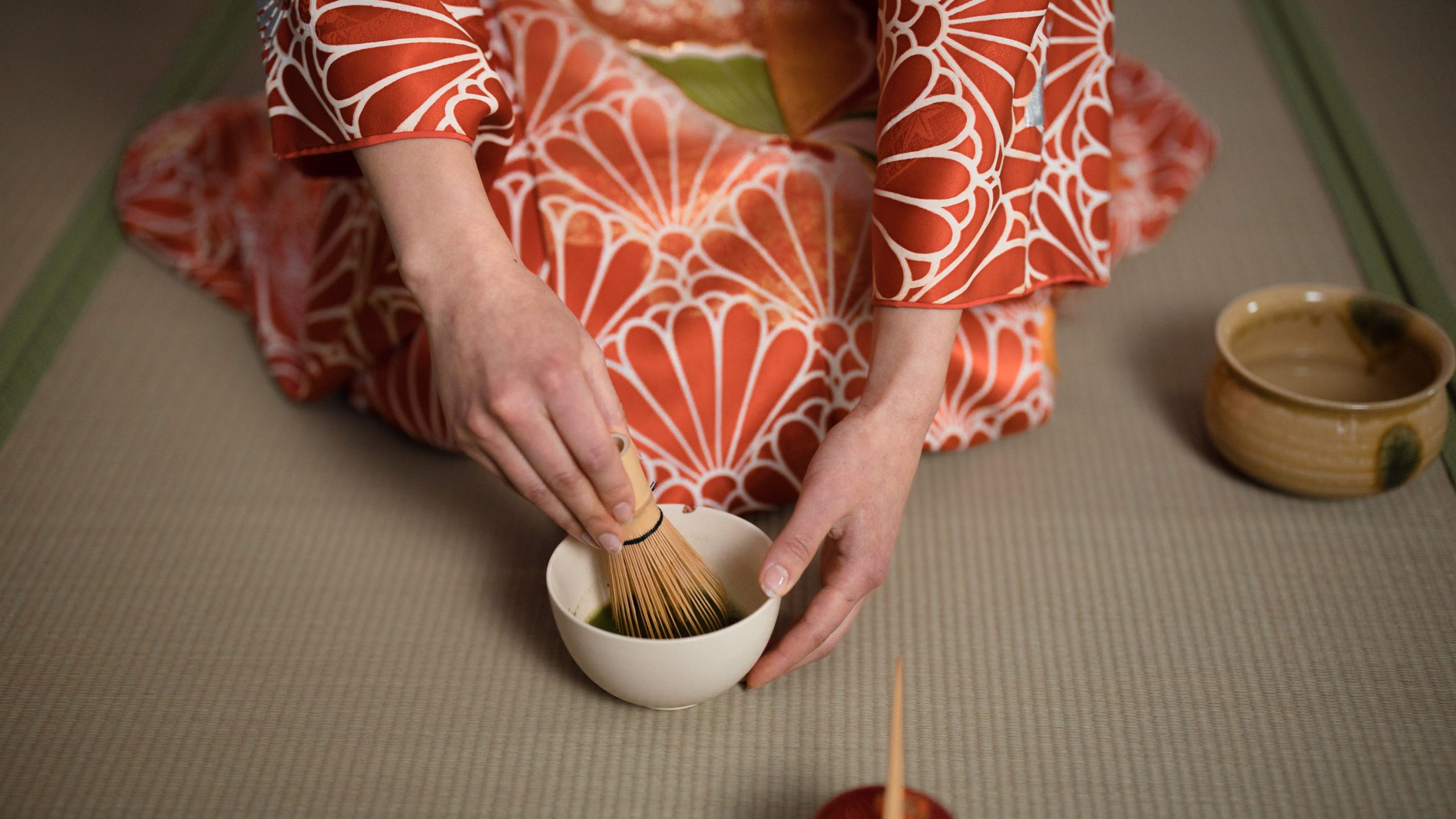
Chanoyu — what the tea ceremony actually teaches
A small wooden tea house in a Kyoto temple garden. Four guests have entered through a deliberately low doorway — too low to walk through upright; you have to stoop and crawl in, regardless of your…

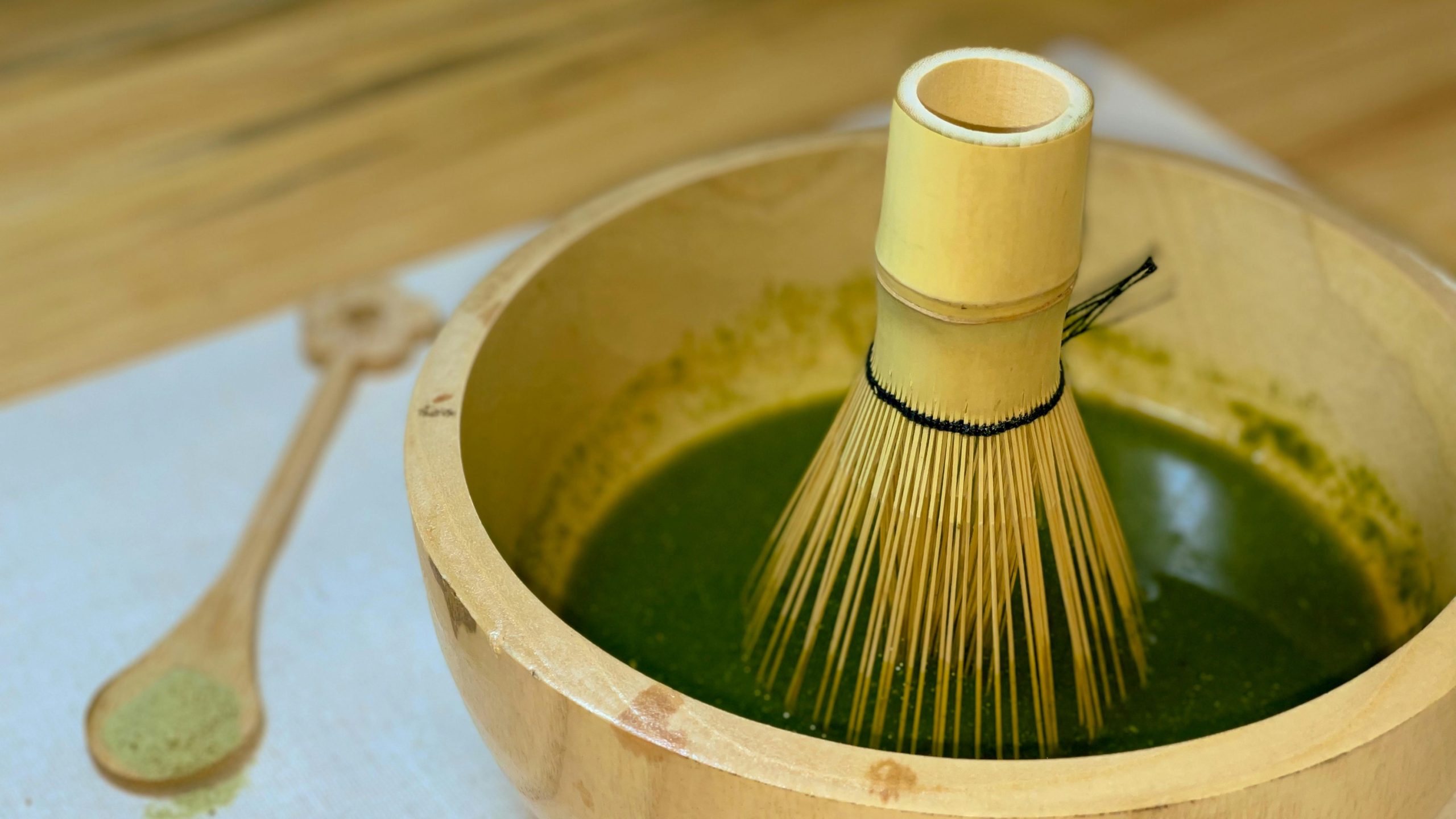
Matcha — what the word meant before it became a global flavor
The “matcha latte” sits in front of you at a Western café — pale green, sweetened, topped with a little design in the foam, the brand name of the drink chain printed on the cup. The…
Ojigi — the calibrated system of Japanese bowing
You arrive at a Japanese hotel. The receptionist greets you with a small bow — chin slightly down, body angle perhaps fifteen degrees forward, brief duration. You check in. As you walk away with your key,…
Meiwaku — the concept that runs Japanese public behavior
A Japanese mother and her young son are on a crowded train. The boy starts to cry. Within seconds, the mother is bent over him, speaking softly, attempting to calm him, looking around at nearby passengers…
Tipping in Japan — why the gesture you mean as kindness lands as confusion
You have just had the best ramen of your life. The counter was spotless, the staff timed every refill without being asked, and the bowl arrived in exactly four minutes. You leave a few hundred yen…
Natsukashii — the Japanese word for warm, recognizing nostalgia
You’re walking through a neighborhood and pass a small bakery. The smell of the morning bread reaches you for an instant before the wind shifts. Without quite deciding to, you stop, half-smile, and stand still for…
Koto — the thirteen-string instrument that anchors Japanese chamber music
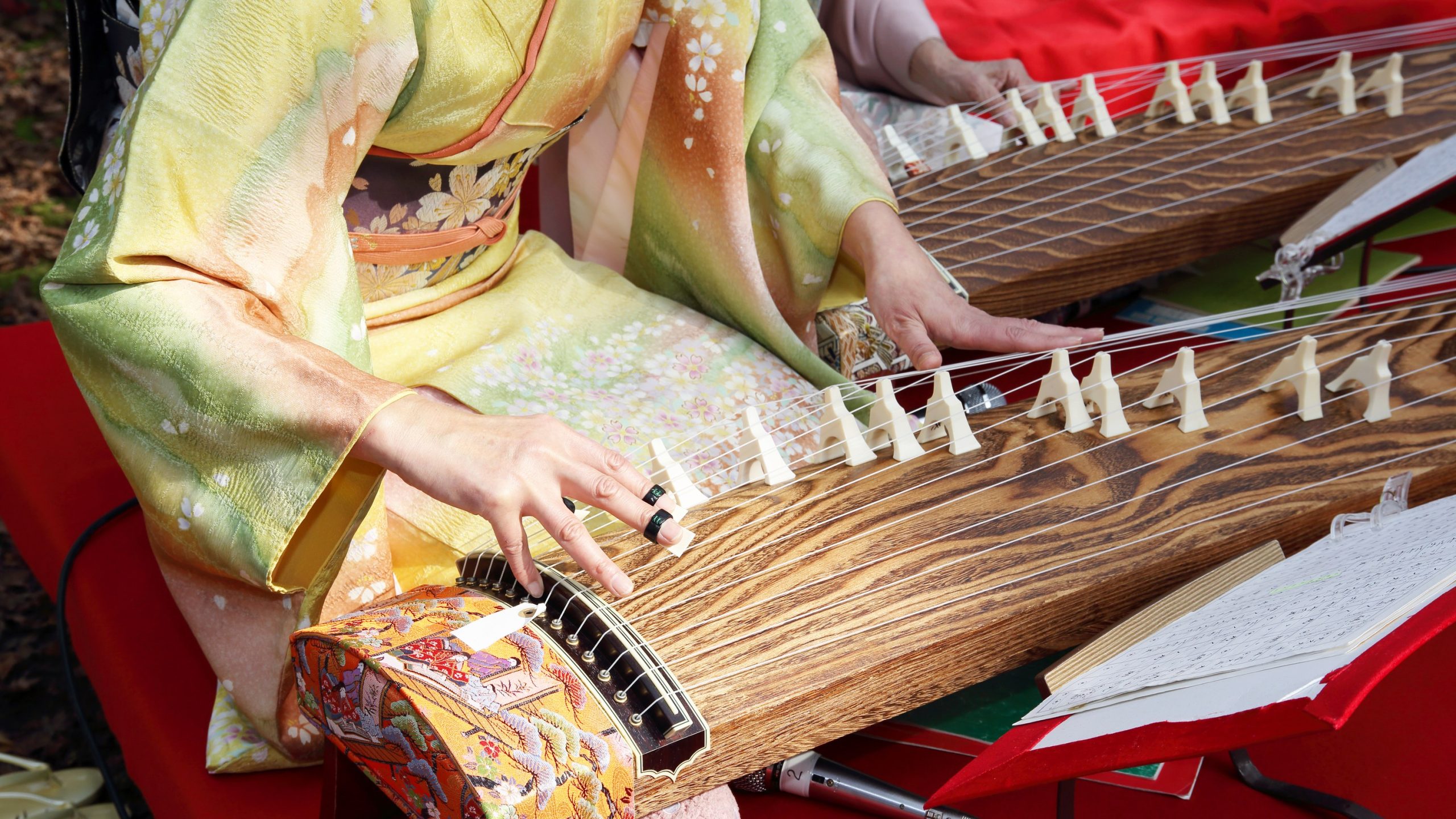
In a tatami room in Kyoto, a woman in formal kimono kneels before a long, low wooden instrument. She wears small ivory plectra on the thumb, index, and middle fingers of her right hand, and her…
Chotto — the small Japanese word that does most of the social work
You watch a conversation in a Japanese office. A junior employee asks the manager whether the team can start the new project on Monday. The manager tilts her head slightly, draws breath in through her teeth,…