Short essays on the small, unwritten codes of Japanese daily life — the words, gestures, and quiet protocols that hide in plain sight.
Latest
127 NOTES
Start here
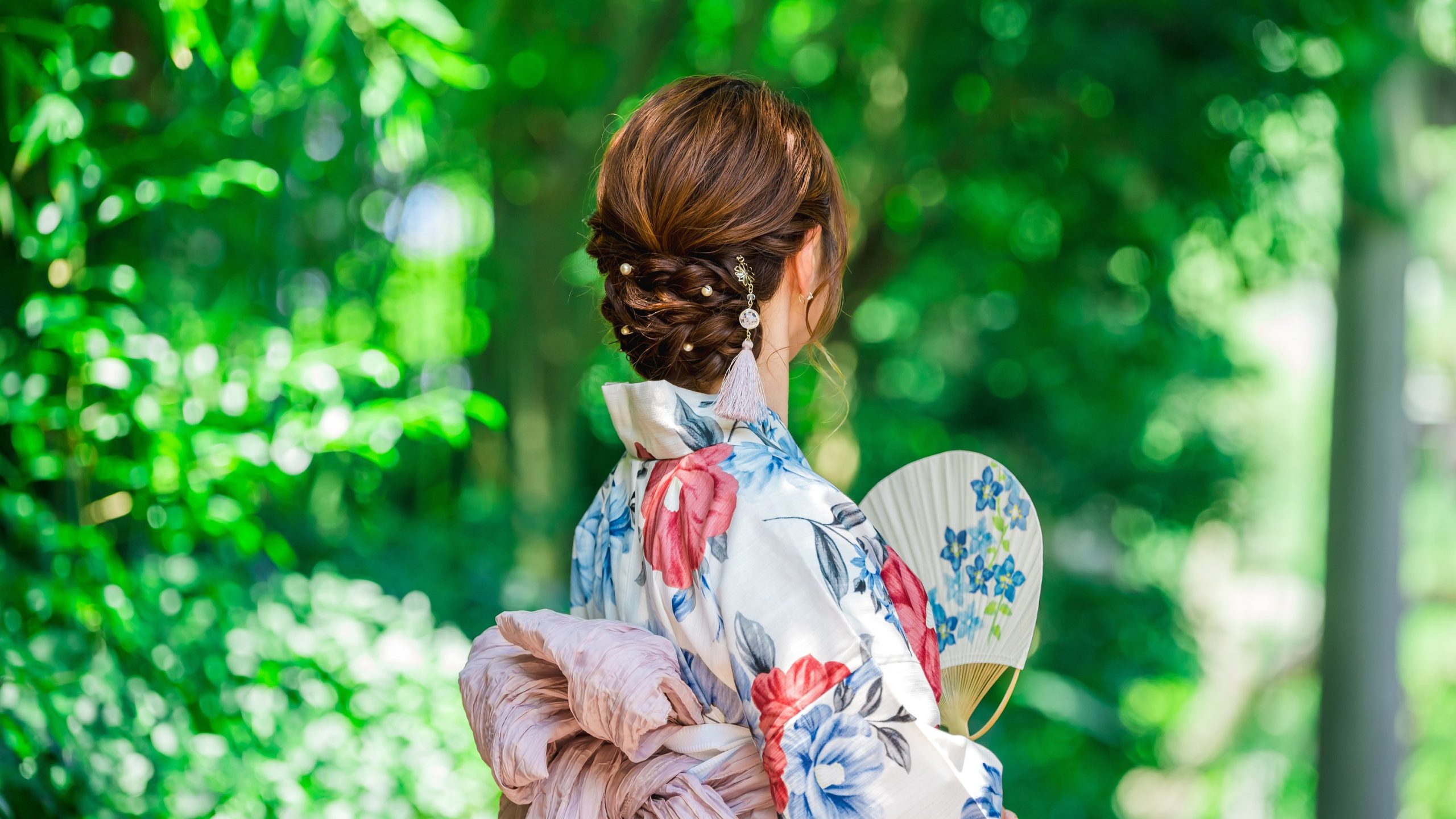
Yukata — the summer kimono that tells you it’s a festival
A summer evening in a Japanese city. People stream toward a fireworks display along the river. Among them are women and men in soft cotton robes: pale blue, indigo, pink, navy with bamboo motifs, all tied…

Yokai — the supernatural creatures Japan never quite stopped seeing
Walk into a secondhand bookshop in Japan and you may find a dog-eared yokai encyclopedia somewhere on the shelves. Not necessarily in an occult section. Maybe between cookbooks and travel guides. Inside are long-necked women who…

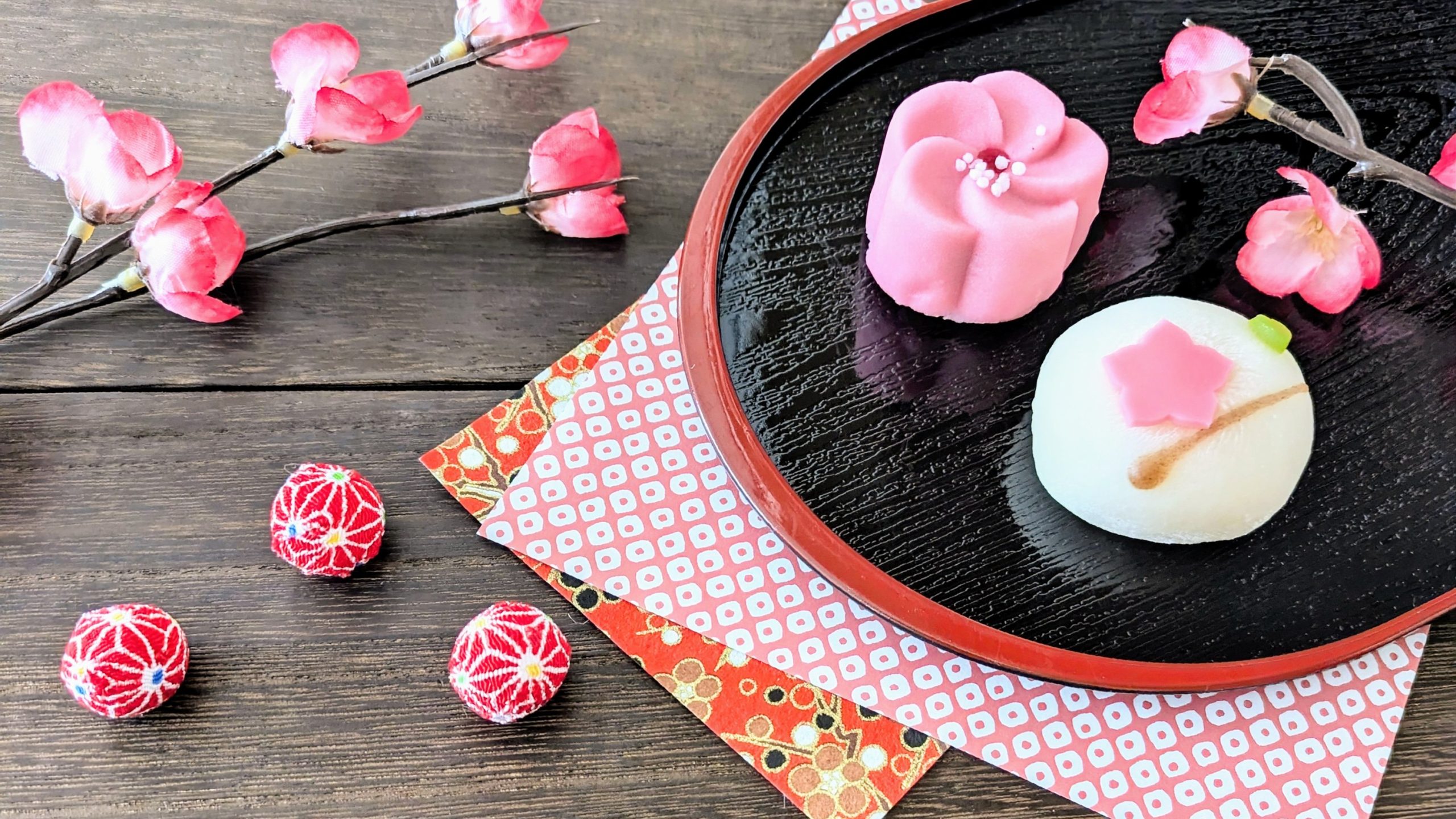
Wagashi — the sweets that mark the seasons
A small confectionery shop in Kyoto, mid-October. The window display has changed overnight. Yesterday’s pink-petal sweets are gone; in their place are maple leaves in russet and gold, glossy little chestnuts, and a pale moon-shaped cake…
Sayonara — the goodbye Japanese people rarely actually use
At some point in the 1950s, sayonara became the Japanese word English speakers reached for when they wanted to signal “Japan.” It shows up in war memoirs, film titles, farewell songs, and the casual English phrase…
Japanese etiquette — the working overview for visitors
Most “Japanese etiquette” guides are lists of don’ts: don’t stick your chopsticks upright in rice, don’t blow your nose in public, don’t tip the waiter. The lists are mostly accurate, but reading them can make Japan…
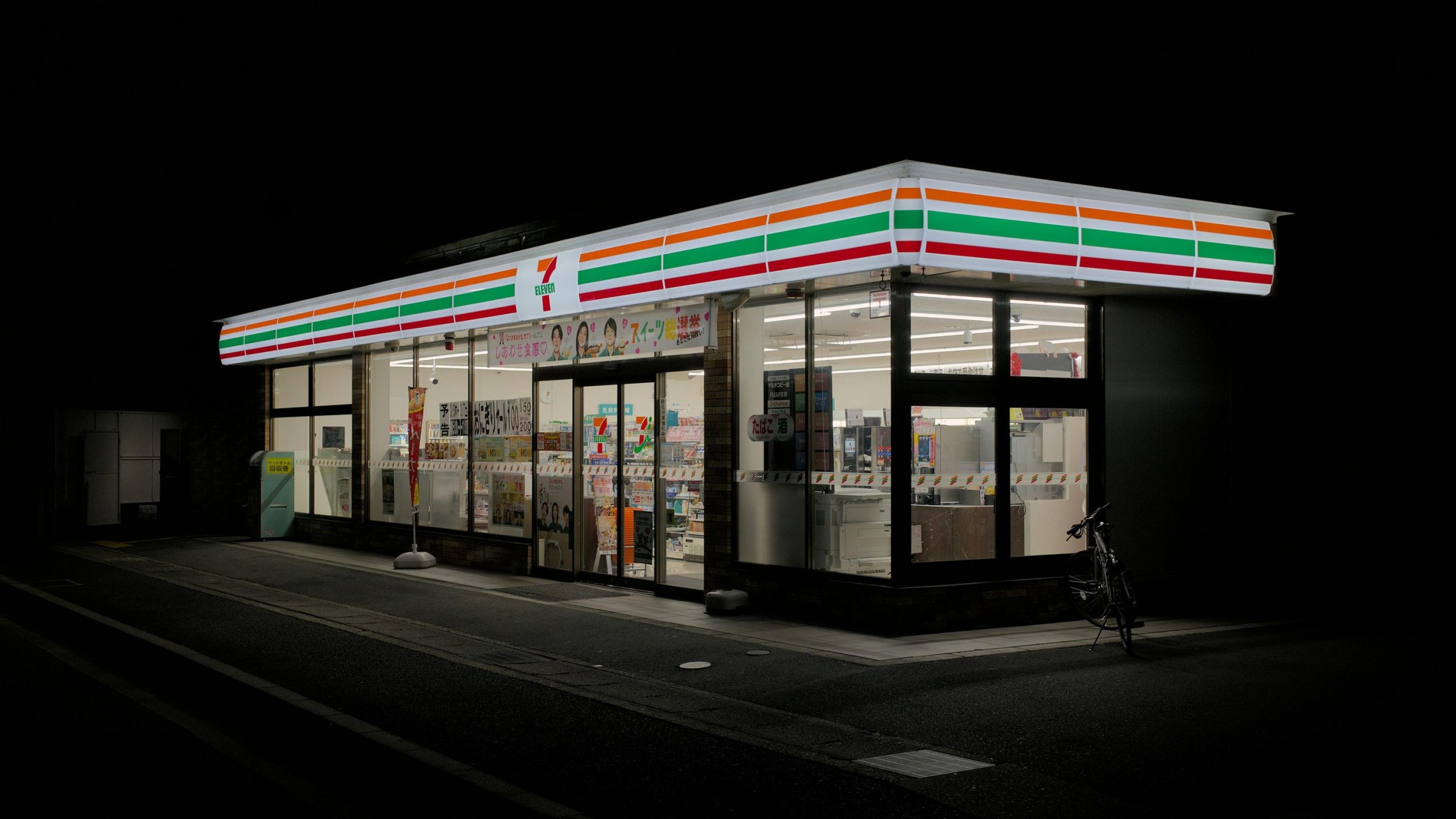
Japanese convenience store guide — what to buy, what services to use, and the small etiquette
You step inside a Japanese convenience store for the first time, and the first thing you notice is the brightness. Fluorescent lights, a wall of cold drinks, shelves of fresh rice balls, fried chicken glowing under…
Baka — the word that ranges from playful tease to serious insult
You hear it in schoolyards, in anime, and eventually, if you spend enough time around Japanese speakers, from one friend to another with a laugh. Then, maybe once, you hear the same two syllables land coldly…

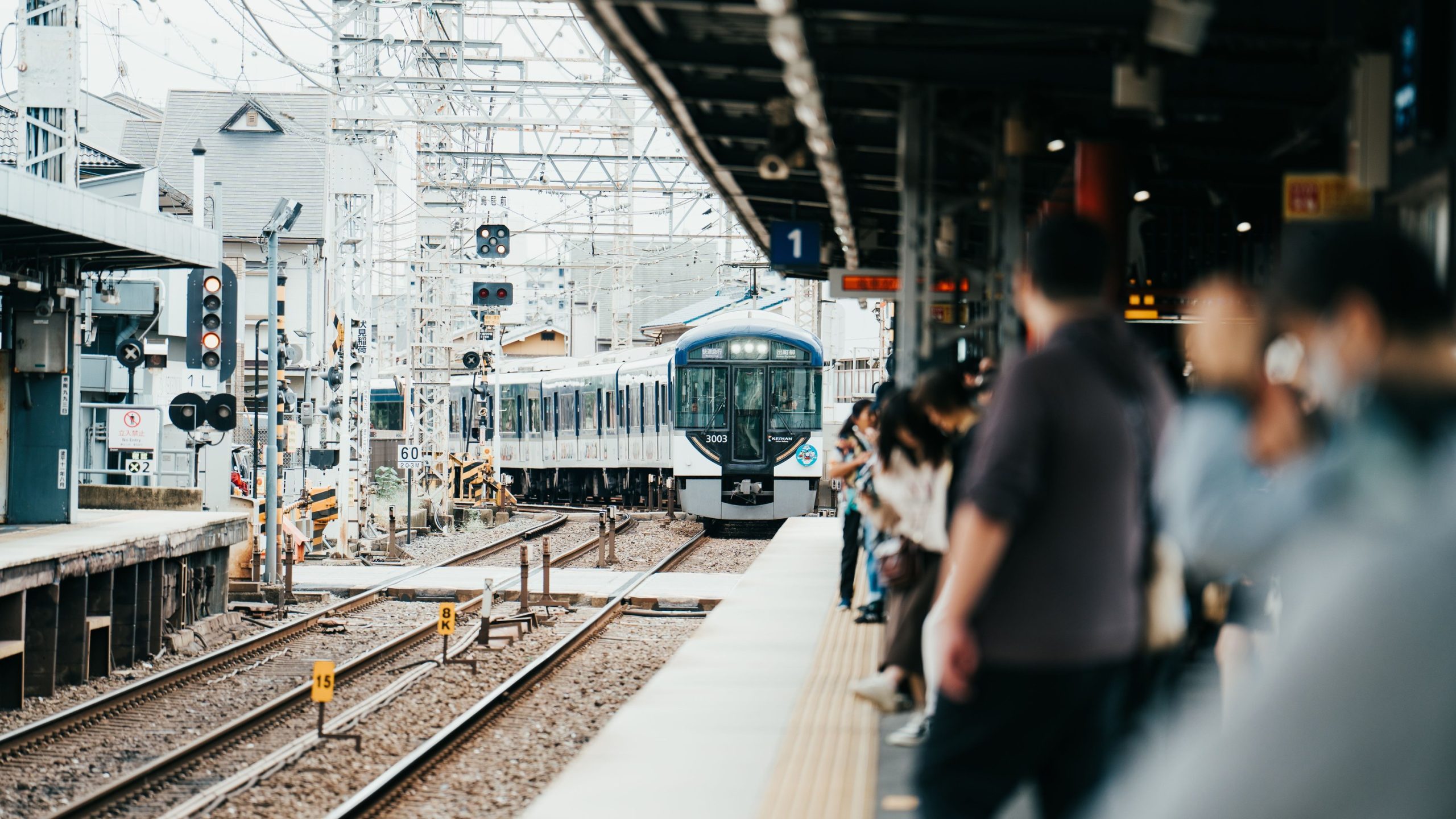
Tokyo Implicit Rulebook ① — Japanese train etiquette
The Tokyo train network moves around 8.7 million passengers a day. At rush hour on the Yamanote line, you can be pressed against four strangers and still hear little more than the announcement system, the brake…
Yoroshiku Onegaishimasu — the 4 meanings English can’t translate
If you have spent more than a few days in Japan, you have heard yoroshiku onegaishimasu. A colleague says it when you meet for the first time. Someone writes it at the end of an email…
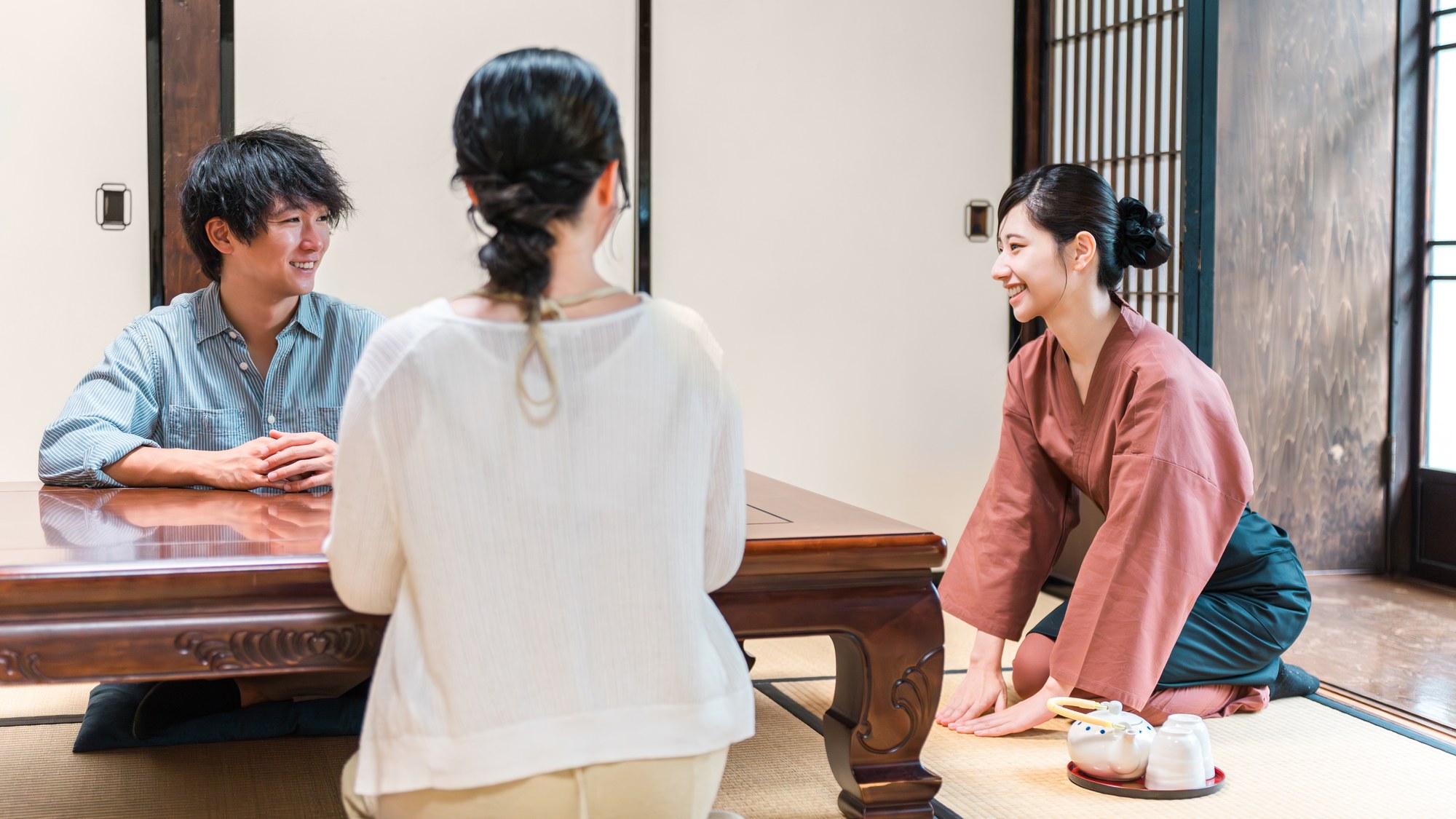
Omotenashi — the discipline behind the word English translates as hospitality
If you have read much about Japan in English, you have probably seen omotenashi translated as “Japanese hospitality.” The word became internationally familiar during Tokyo’s 2013 Olympic bid, when it was pronounced slowly and carefully on…